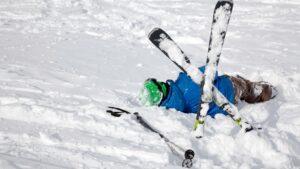


Every winter, Georgia families head to the mountains for ski trips. Most of those trips end with tired legs and good memories. Skiing and snowboarding, however, involve high speeds, hard snow, and crowded slopes. A collision or equipment failure can cause serious injury or even death. When someone else’s carelessness caused the harm, a ski accident claim may help cover the cost. This article explains who may be responsible, which state’s law applies, and why these cases differ from ordinary injury claims.
Not Every Fall Is Someone’s Fault
Skiers and snowboarders fall all the time. Many falls happen simply because a rider lost control or hit a patch of ice. In those cases, no one else is to blame.
Some injuries, though, come from another person’s negligence. The difference between an ordinary fall and a preventable accident often decides whether a claim exists. That line can be hard to draw without a close look at the facts.

Speak with a Charlotte car accident lawyer and get a free consultation today.
Call (980) 246-2656Why the State Where You Fell Matters
Georgia has almost no ski terrain. As a result, most Georgia skiers travel to North Carolina, Tennessee, Colorado, or other states. A ski accident claim usually follows the law of the state where the injury happened, not the state where you live.
That rule matters a great deal. North Carolina, for instance, has its own ski safety law. It also follows a harsh fault rule that differs sharply from Georgia’s. Deadlines, insurance rules, and the courts that can hear the case may all change based on location.
How North Carolina’s Ski Law Works
Many Georgians ski at resorts in the North Carolina mountains. North Carolina’s Ski Safety and Liability Act, found in Chapter 99C of the General Statutes, sets duties for both resorts and skiers.
Resort operators must meet several responsibilities, including:
- Marking trails and maintenance vehicles
- Signing the difficulty level of each slope or trail
- Clearly marking hidden rocks, stumps, and other hidden hazards
- Providing adequate ski patrols
- Inspecting slopes and posting general surface conditions
- Maintaining and safely operating ski lifts
Skiers carry duties too. They must know their abilities, control their speed and course, and heed posted warnings. In addition, they must stay clear of grooming equipment and avoid reckless conduct.
Under G.S. 99C-3, a violation of any of these duties counts as negligence. That rule cuts both ways. A resort that ignored a hidden hazard may face liability. On the other hand, a skier who lost control may face a strong defense.

The Contributory Negligence Problem
North Carolina follows contributory negligence. Under that rule, an injured person who shares even a small part of the fault may recover nothing. Georgia, by contrast, only bars recovery when a person is 50% or more at fault.
For ski cases in North Carolina, this rule shapes everything. Resorts and their insurers often argue that the skier was going too fast or skied beyond their ability. If a jury agrees, the claim can fail entirely. Consequently, careful evidence about how the accident happened matters even more than usual.
Common Causes of a Ski Accident Claim
Ski injuries that lead to claims often involve conditions or decisions someone else controlled. Common examples include:
- Hidden hazards that the resort failed to mark
- Poorly marked trails or misleading difficulty signs
- Badly maintained slopes or dangerous obstacles
- Collisions caused by careless or reckless skiers
- Chairlift malfunctions or missing safety restraints
- Defective skis, bindings, or snowboards
- Instructors who led students onto terrain far above their skill level
In practice, each cause points to a different party and different evidence. For that reason, identifying exactly what went wrong comes first.
Collisions With Other Skiers
Skier collisions cause many of the worst injuries on the mountain. A rider who skis too fast, cuts across a trail, or ignores others below can cause devastating harm. North Carolina’s law requires every skier to control speed and course at all times.
The skier who caused the crash may carry homeowners or renters insurance that covers the claim. Additionally, North Carolina’s law requires a skier involved in a collision to stay and give their name and address. Identifying that skier quickly, however, can be difficult on a crowded slope.
Chairlift Accidents
On a busy day, chairlifts carry thousands of riders. Mechanical failures, sudden stops, and loading errors can throw riders to the ground. Some lifts lack safety bars or other restraints.
Resorts must maintain and operate their lifts safely. Similarly, lift operators must follow proper loading and unloading procedures. Maintenance records and inspection reports often show whether the resort met those duties.
Defective Ski Equipment
Bindings that fail to release can cause serious knee and leg injuries. A cracked ski, a broken boot, or a faulty helmet can also contribute to harm. When equipment fails, the manufacturer or the rental shop may share responsibility.
These cases often involve product liability law. Preserving the equipment matters, because experts may need to test it. Rental agreements may also include waiver language that affects the claim.
When a Ski Instructor Causes the Injury
Ski lessons should make the mountain safer. Students trust instructors to choose terrain that matches their skill. When an instructor leads a beginner onto an expert slope, the student may suffer a serious fall.
The resort that employs the instructor may answer for that decision. Moreover, lesson records, instructor training files, and trail maps can show whether the terrain fit the student’s level. Children in ski school depend on that judgment even more than adults.
Why Deadlines Can Be Different
Each state sets its own deadline for injury lawsuits. North Carolina generally allows three years, while Georgia generally allows two. Meanwhile, some states set shorter limits or special notice rules. Because the deadline follows the state’s law, Georgia skiers should not assume their home rules apply.
Do Lift Ticket Waivers Stop a Claim?
Today, most resorts print release language on lift tickets, season passes, and rental forms. Many skiers assume that language ends any chance of recovery. The answer depends on the state’s law and the exact wording.
Some states enforce these releases broadly. Others limit them, especially for gross negligence or statutory violations. A lawyer can review the release and explain whether it applies to your injury.
Serious Injuries on the Slopes
Unfortunately, ski and snowboard accidents often cause life-changing injuries. Common examples include traumatic brain injuries, spinal cord damage, broken bones, and torn knee ligaments. Some injuries require surgery, long rehabilitation, and time away from work.
A claim may cover medical bills, therapy, lost income, and future care. It may also cover pain and suffering. When an injury causes permanent disability, the full value of the claim can be substantial.
Why Hire a Lawyer for a Ski Accident Claim
Ski cases combine out-of-state law, resort insurers, and complex evidence. Resorts often have lawyers and adjusters who handle these claims all the time. They know how to use contributory negligence and release language against injured skiers.
A lawyer can identify which state’s law applies and which court can hear the case. Your attorney can also gather ski patrol reports, video, and witness statements before they disappear. Shane Smith Law has offices in both Georgia and North Carolina. That reach helps when your injury happened on a North Carolina mountain. Most importantly, we handle the insurers so you can focus on getting better at home.
Contact a Fayette County Personal Injury Attorney
If a ski resort, another skier, or defective equipment caused your injury, Shane Smith Law can review your case for free. We will explain which state’s law applies and the deadlines that matter. You pay no attorney fee unless we recover money for you.
Call 980-246-2656 today to schedule a free consultation.