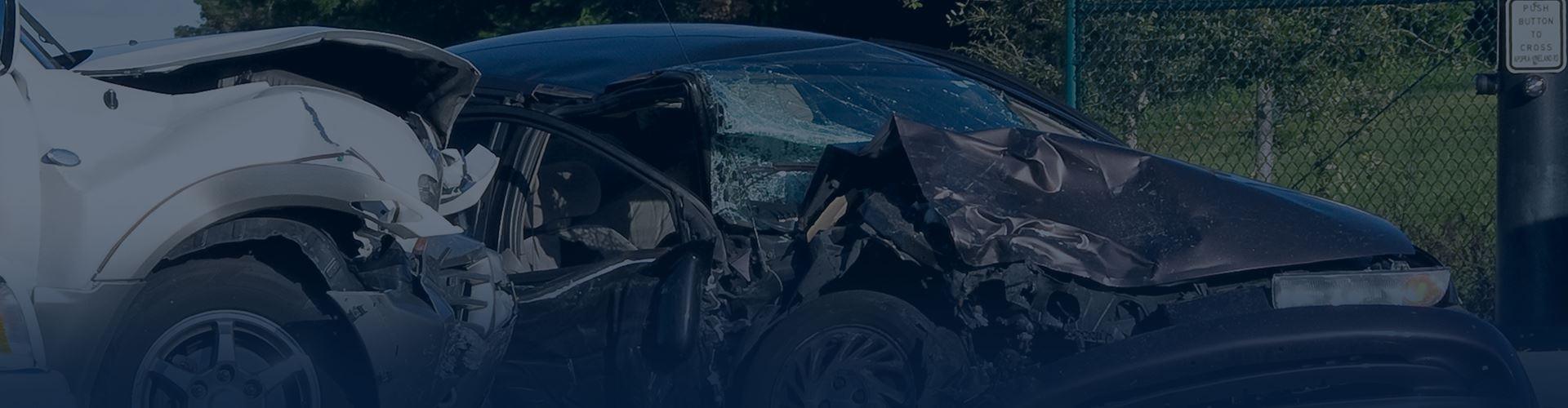

Can I be found liable for a car accident if I’m rear-ended? While rare, you can be found liable for a car accident if you are hit from behind, depending on the circumstances involved, like sudden and unsafe stops, cutting another driver off, reversing, or failing to have your hazards on when required by law.
Speak with a Charlotte car accident lawyer about your case today.
Instances in Which You May Be at Fault if You Strike Another Driver
Most often, police assume the rear driver is at fault unless there is evidence to suggest otherwise. There are some cases where both parties could be held accountable. Consider the following scenarios in which the driver in front is at fault:
- Sudden and unsafe stops: Drivers who suddenly stop without cause or justification may cause the driver behind them to strike them. Typically, this can occur when there are sudden changes in road conditions, such as someone running into the street. However, if you stop suddenly without reason, that can contribute to the fault.
- Cutting another driver off: Often, this is the case on busier streets: one driver may cut off another, meaning passing them on the roadway in very close proximity. If they strike you while you are doing this, you may be at fault.
- Distracted driving: In some situations, drivers distracted by a text message or by something on their navigation device may slow down significantly. If the driver behind you strikes you and you are not keeping up with traffic flow, you may be partially to blame.
- Faulty equipment: A rear-end accident may occur if the driver behind you does not know you are stopping. For example, if your tail lights or brake lights are not working, they do not know you are slowing down. This may contribute to your fault, even if you did not know your brake lights were nonfunctional.
- Reversing: Drivers backing out of a parking spot may not detect an approaching person. This rear cross traffic has the right of way, but may strike you from behind if they are unable to stop when you pull out or back up into them.
- Road hazards: You stop in the roadway but do not turn on your hazard lights. If you stopped but failed to pull over to the side enough, and someone struck you from behind due to a lack of hazards, you may be partially at fault.
In every one of these situations, it can be hard to know who is at fault for a rear-end accident. Evidence can be critical in establishing what occurred and who is at fault, to varying degrees. If you are facing a fault you believe is inaccurately assigned to you, be sure to speak to a Charlotte personal injury lawyer to guide you in disputing claims.
Speak with a Charlotte car accident lawyer and get a free consultation today.
Call (980) 246-2656The Role of Negligence in Rear-Ending Accidents
Negligence is a legal doctrine that allows both parties to share some of the fault in an accident. In most situations, the insurance company, the police, or a judge may determine the percentage of fault each party bears. However, negligence laws differ by state.
North Carolina follows a pure contributory negligence rule (1‑139). If you suffer injuries and are found to share fault for the accident, you may not be able to seek damages from the other party. This is a critical factor to keep in mind, especially if the evidence at the scene of the accident demonstrates you could be even slightly at fault.
Your Charlotte car accident lawyer will work closely with you to reduce any assignment of fault whenever possible, often by presenting evidence that demonstrates what occurred and why you should not have such responsibility.
How to Prove You are Not at Fault in a Rear-Ending Accident
If someone strikes you from behind, and you believe they are fully at fault, there are numerous types of evidence that you can seek that will help build your case and claim. Your attorney will look at all data available to provide insight into your legal options. Some of the evidence that may help includes:
- Dash camera footage from anyone involved
- Witness statements, including those from passengers in your car or theirs
- Video and photo evidence from cameras in the area
- Proof that disproves their claims of faulty equipment or distraction
- Accident reconstruction services that demonstrate what must have occurred
As noted, these are difficult cases because such evidence can be hard to find. If you believe there are inaccuracies in your case, you do not have to simply accept the claim and move on. Your attorney can help demonstrate that the other party is at fault in your case instead by gathering evidence from their network of resources.

What You Can Do to Protect Your Rights in a Rear-End Accident
At Shane Smith Law, we encourage anyone who is facing serious injuries and losses from a rear-ending accident to work with an attorney who can provide you with clarity. In these situations, it is critical to understand your rights, including any evidence available to show whether you are at fault for your losses.
Set up a free consultation with a rear-end accident lawyer at our firm today. There is no cost to you unless we win your case.