

Doctors do not use the phrase. “Catastrophic injury” belongs to lawyers and insurers, and a catastrophic injury in Georgia carries a statutory definition that shapes what a claim is worth.
Below, we explain how the state defines these injuries, what changed in 2025, and why valuing them takes more than adding up bills.
What Counts as a Catastrophic Injury in Georgia
In fact, Georgia’s workers’ compensation code supplies the clearest definition. O.C.G.A. § 34-9-200.1(g) lists six categories:
- Spinal cord injury involving severe paralysis of an arm, a leg, or the trunk
- Amputation of an arm, hand, foot, or leg with effective loss of use
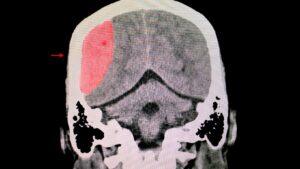
- Severe brain or closed head injury, measured by motor, sensory, communication, or cognitive disturbance
- Second or third degree burns over 25 percent of the body, or third degree burns to 5 percent of the face or hands
- Total industrial blindness
- Any injury preventing the work someone previously performed, or other work available in the national economy
Note where that definition lives. It governs workers’ compensation rather than crash claims, yet it gives Georgia lawyers and adjusters a shared vocabulary for severity.

Speak with a Charlotte car accident lawyer and get a free consultation today.
Call (980) 246-2656Why the Label Changes What You Recover
First, a catastrophic designation transforms a workers’ compensation claim. Medical benefits continue without the usual limits, income benefits extend past the standard cap, and rehabilitation support opens up.
Meanwhile, tort claims work differently. There the label carries no automatic benefit, though it signals which damages matter: lifetime medical care, lost earning capacity, home modification, and attendant care.
How Georgia’s 2025 Tort Reform Changed These Cases
Senate Bill 68 took effect on . Three changes hit catastrophic claims directly.
Bifurcated trials. O.C.G.A. § 51-12-15 now gives parties a right to split liability from damages. Cases seeking under $150,000 fall outside it, so catastrophic claims are precisely the ones affected.
Limits on damages arguments. Plaintiffs may argue non-economic damages only after evidence closes, and the figure must relate rationally to that evidence.
Billed versus paid medical costs. Under § 51-12-1.1, juries may now hear both the amount charged and the amount actually paid.
Each change rewards preparation. Consequently, these cases demand earlier expert work than they did two years ago.

Why Policy Limits Become the Real Ceiling
Of course, damages routinely exceed coverage. A spinal cord injury can generate lifetime costs in the millions while the at-fault driver carries minimum limits.
So finding coverage matters as much as proving fault. Underinsured motorist policies, employer liability, commercial umbrella coverage, and additional defendants often supply what one policy cannot.
Why Future Damages Take Expert Work
After all, nobody estimates forty years of care from a stack of receipts. Life care planners, vocational economists, and treating physicians build that projection, then reduce it to present value.
The original bills are the easy part. Everything after them depends on evidence someone gathered deliberately, which is why these claims reward early representation.
Talk to a Fayette County Catastrophic Injury Lawyer
Shane Smith Law builds the record a lifetime claim requires. Call (980) 246-2656 for a free consultation.