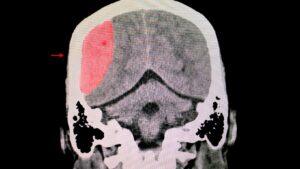


Some injuries heal in a few weeks. Others change a person’s life forever. Severe brain injuries, spinal cord damage, major burns, and permanent organ damage often fall into that second group, which people call catastrophic injuries. When an injury needs care for decades, a life care plan becomes one of the most important pieces of the case. This article explains what these injuries involve, what a life care plan does, and why the plan can decide whether a recovery truly lasts.
What Makes an Injury Catastrophic?
A catastrophic injury causes lasting, severe harm that changes how a person lives and works. Common examples include:
- Spinal cord injuries causing paralysis or loss of function
- Severe traumatic brain injuries
- Major burns with scarring or disfigurement
- Permanent damage to internal organs
- Amputations
These injuries affect more than the body. They can change a person’s ability to work, drive, care for children, or live independently. Families often become caregivers overnight, with little warning or training.

Speak with a Charlotte car accident lawyer and get a free consultation today.
Call (980) 246-2656Why the Costs Run So High
Catastrophic injuries create costs that last a lifetime. Consider spinal cord injuries. According to the National Spinal Cord Injury Statistical Center, lifetime costs for someone injured at age 25 range from about $2.1 million to $6.4 million, depending on severity. Those 2025-dollar figures cover direct costs only.
Lost income comes on top of medical costs. The same data shows indirect costs, such as lost wages, averaging about $97,800 per year. Many survivors do return to some work over time, yet far fewer work after the injury than before it.
Brain injuries and severe burns can carry similar long-term costs for families. Therapy, medication, equipment, and home care often continue for decades.
What Is a Life Care Plan?
A life care plan is a detailed forecast of the care an injured person will need for the rest of their life. Typically, a qualified life care planner prepares it, often working with the treating doctors. The plan lists each need, how often it occurs, and what it costs.
A thorough plan may cover:
- Future surgeries and hospital stays
- Physical, occupational, and speech therapy
- Medications and medical supplies
- Wheelchairs, lifts, and other equipment
- Home and vehicle modifications
- In-home nursing or attendant care
- Replacement of equipment over time
Each item needs medical support. Otherwise, the defense will attack it as speculation. Good plans also update as the person’s condition changes over time.

Who Prepares a Life Care Plan
Life care planners often come from nursing, rehabilitation, or medical backgrounds. Many hold professional certifications in the field. They review records, interview the injured person and family, and consult with treating doctors.
The planner’s credibility matters. A jury will weigh the planner’s training and methods against the defense expert’s. Therefore, choosing the right planner, and giving that planner complete records, can shape the outcome.
Why a Life Care Plan Drives Case Value
Insurers often focus on bills already paid. Those bills, however, may reflect only a fraction of the true cost. A catastrophic injury’s largest expenses usually lie in the future.
In contrast, a life care plan puts those future costs in front of the insurer and, if needed, a jury. Instead of a vague estimate, the plan provides line-by-line support. An economist then translates the plan into a total figure.
Without that work, a settlement may cover the first few years and leave the family paying for the rest. That gap is one of the most common problems in catastrophic injury cases. Once a family signs a release, it usually cannot reopen the claim later.
How Georgia Law Measures Future Damages
Georgia allows recovery for future medical expenses and lost earning ability. However, juries may reduce future economic damages to present value. Under O.C.G.A. § 51-12-13, a jury may use a 5 percent discount rate or another rate supported by evidence.
Life expectancy also matters. Georgia allows mortality tables as evidence, but juries may consider other factors too. In serious spinal and brain injuries, life expectancy itself often becomes a disputed issue that experts must address.
Georgia places no general cap on pain and suffering in these cases. Instead, juries decide that value based on the evidence. Consequently, how clearly the case shows the injury’s daily impact matters a great deal.
Why Liens Can Shrink a Settlement
A large settlement does not always reach the injured person in full. Hospitals, health insurers, and government programs may seek repayment. Medicaid liens deserve special attention.
The U.S. Supreme Court has held that a state Medicaid program may recover from settlement funds allocated to future medical care, not only past care. As a result, planning for liens must start early. Otherwise, a family may discover late that much of the recovery belongs to someone else.
Some families also need to protect eligibility for public benefits. A special needs trust can sometimes preserve those benefits while holding settlement funds. These decisions work best when made before the case settles, with input from the family and advisors.
Why the Defense Fights Life Care Plans
Insurers know that the life care plan often represents the largest number in the case. As a result, they frequently hire their own experts to challenge it. They may argue certain care is unnecessary, too frequent, or too expensive.
The best answer is a plan built on solid medical support. Treating physicians who agree with the plan add credibility in front of a jury. Likewise, clear records of the person’s current needs help show the plan reflects reality.
What Families Face Day to Day
Numbers tell only part of the story. Families often rearrange their homes, jobs, and routines around a loved one’s care. A spouse may stop working to become a full-time caregiver.
Those changes have real value in a claim. Georgia law allows a spouse to seek damages for loss of companionship and services in many cases. Additionally, the injured person’s own pain, frustration, and lost independence count as part of the claim.
How Catastrophic Injuries Happen in Coweta County
Many catastrophic injuries come from vehicle crashes. Coweta County drivers share I-85, U.S. 29, and busy roads around Newnan with heavy truck traffic. Falls, workplace incidents, and unsafe property conditions also cause many serious injuries.
The cause of the injury shapes the claim. For example, a truck crash may involve federal trucking rules and large insurance policies. Meanwhile, a fall on someone else’s property follows Georgia’s premises liability rules.
Why Timing Still Matters
Georgia generally allows two years to file an injury lawsuit. Catastrophic cases take longer to build, because the full picture of future needs takes time to develop. Doctors may need months to predict long-term function.
Even so, evidence about the incident can disappear quickly. Starting early allows a lawyer to preserve that evidence while the medical picture develops. It also allows time to build a thorough life care plan before key deadlines.
Why Hire a Lawyer for a Catastrophic Injury Claim
Catastrophic injury cases require medical, economic, and legal expertise working together. A lawyer can assemble life care planners, economists, and medical experts. Your attorney can also identify every insurance policy and plan for liens before settlement.
Most importantly, a lawyer can make sure any settlement reflects the full lifetime impact of the injury. A quick offer may look large today and fall short within a few years.
Talk to a Coweta County Personal Injury Attorney
If you or a loved one suffered a catastrophic injury, Shane Smith Law can review your case for free. We will explain what your claim may involve and which deadlines apply. You pay no attorney fee unless we recover money for you.
Call 980-246-2656 today to talk with our team about your family’s needs and options.