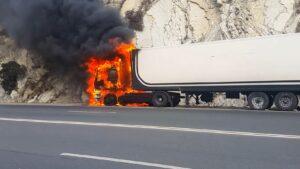
Tractor-trailers move through Coweta County every day on I-85, U.S. 29, and Highway 34. When a car strikes one of those trailers and slides underneath, investigators call it an underride crash. A Coweta County underride accident ranks among the most dangerous collisions on any road. This article explains why these crashes cause such severe harm, who may share the blame, and why families need help quickly.
What Happens in a Coweta County Underride Accident
An underride happens when a passenger vehicle slides partly beneath a truck’s trailer. It can occur at the back of the trailer or along its side. In either case, the trailer’s edge often lines up with the car’s windshield.
Unfortunately, that alignment changes everything. Normally, a car’s bumper and crumple zones absorb crash forces. In an underride, however, the trailer passes above those structures. The impact lands on the windshield, roof pillars, and passenger compartment instead.

Speak with a Charlotte car accident lawyer and get a free consultation today.
Call (980) 246-2656Why Underride Crashes Are So Deadly
Several factors combine to make these crashes severe. First, the trailer bypasses the car’s main safety structures. Second, airbags may deploy too late, because the bumper never senses the full impact. Third, the trailer can intrude directly into the space where people sit.
Speed matters, but not in the way many people think. Many people believe underride only happens at highway speeds. In reality, federal guard standards test protection at about 35 miles per hour. A weak or damaged guard can fail at lower speeds than drivers expect.
Beyond speed, size adds to the danger. A loaded tractor-trailer can weigh up to 80,000 pounds. By comparison, most passenger cars weigh a small fraction of that. When the two collide, the car absorbs nearly all of the damage.
The Injuries These Crashes Cause
Because the impact lands at head height, injuries often involve the head, face, and neck. Common injuries include:
- Traumatic brain injuries
- Skull and facial fractures
- Neck and spinal cord injuries
- Chest injuries from the steering wheel or dashboard
- Fatal injuries to drivers and front-seat passengers
As a result, survivors often face long hospital stays and lasting disabilities. Moreover, brain injuries can change memory, mood, and the ability to work. Families may need years of care and support, often at great cost.

Where Coweta Drivers Face the Most Risk
Interstate 85 carries heavy freight traffic through Newnan and past the county’s growing distribution centers. Trucks also merge on and off at busy interchanges, where sudden slowdowns are common. Meanwhile, U.S. 29 and Highway 34 bring trucks into commercial areas with frequent stops and turns.
Each setting creates its own underride risk. On the interstate, a truck stopped on the shoulder can surprise a following driver. In town, a trailer backing into a loading dock may stretch across traffic. Likewise, a truck turning slowly at night can leave a dark trailer blocking the road.
Who May Share the Blame
Many people assume the car’s driver always causes a crash with the back of a truck. Insurers encourage that belief. Even so, a Coweta County underride accident often involves fault on the truck’s side as well.
In many cases, several parties share responsibility:
- Truck driver: for sudden stops, unsafe parking, impairment, fatigue, or distraction
- Trucking company: for skipped inspections, poor maintenance, or unsafe schedules
- Trailer owner: for a missing, damaged, or poorly repaired rear guard
- Repair shop: for guard repairs that weakened its strength
- Manufacturer: in some cases, for a guard design that failed
Importantly, each party may carry separate insurance. Finding every one protects the full value of a claim.
Rear Guards and What Federal Law Requires
Today, federal rules require rear impact guards on most trailers. These guards hang below the trailer’s back edge to stop a car from sliding beneath it. Under 49 CFR 393.86, most trailer guards must sit no more than 22 inches above the ground.
NHTSA strengthened trailer guard standards in 2022, with compliance required by . In addition, federal rules now include rear guards in the required annual inspection. Older trailers, however, may still carry guards built to the weaker standard.
By contrast, side guards follow different rules. No federal rule currently requires them. As a result, side underride cases usually focus on how the trailer ended up across the road.
Why Reflectors and Lights Matter
Similarly, visibility plays a major role in many underride crashes. A dark trailer at night can look like empty road until the last second. For that reason, federal rules require reflective markings on many trailers, along with working lights.
Missing or dirty reflective tape can support a negligence claim. However, a missing reflector does not automatically make the trucking company liable. The evidence must show the visibility problem helped cause the crash. Lighting at the scene, weather, and the driver’s line of sight all matter.
How Georgia’s Fault Rules Affect These Claims
Georgia follows a modified comparative fault rule. Under O.C.G.A. § 51-12-33, a jury can reduce your recovery by your share of fault. If you are 50% or more at fault, you recover nothing.
That rule turns many underride cases into a fight over percentages. The trucking company may argue the car followed too closely or failed to brake. Meanwhile, the injured person’s side must show what the truck and its owner did wrong. A damaged guard, a dark trailer, or a sudden stop can shift that balance significantly.
What an Underride Claim Can Cover
Because these crashes cause such severe injuries, the losses often run high. A claim may include emergency care, surgery, rehabilitation, and long-term care. It can also cover lost income and reduced ability to earn in the future.
Georgia law also recognizes pain and suffering, including the loss of everyday activities. Furthermore, a carrier that knowingly kept a dangerous truck or driver on the road may face punitive damages in some cases.
When an Underride Crash Takes a Life
Sadly, many underride crashes are fatal. In those cases, Georgia law allows the family to bring a wrongful death claim. Generally, the spouse or children bring the claim, and the parents may if neither survives.
Notably, the claim measures the full value of the life lost. Separately, the estate may recover medical and funeral costs. Families often face these questions while grieving, which is why early guidance helps.
Why Evidence Must Be Preserved Quickly
Underride cases depend heavily on physical evidence. The rear guard, its certification label, and the trailer’s condition tell much of the story. Unfortunately, a carrier may repair or scrap a damaged trailer within days.
Beyond the trailer, other key evidence includes electronic logs, engine data, and inspection records. Federal rules let carriers discard some of these records after six months. A preservation letter from a lawyer can stop routine destruction before it happens.
Why Families Hire a Lawyer After an Underride Crash
Trucking companies prepare for crashes long before they happen. Their insurers often send investigators to the scene within hours. Without equal preparation, a family may face the company’s version of events alone.
For this reason, a lawyer can secure the trailer and its guard for expert inspection. Your attorney can also identify every responsible party and every insurance policy. Georgia generally allows two years to file an injury or wrongful death lawsuit, but evidence can vanish much sooner.
For more on rear and side underride crashes, see our related underride pages.
Contact a Coweta County Truck Accident Attorney Today for a Free Consultation
If an underride crash injured you or took someone you love, Shane Smith Law can review your case for free. We will explain your options and the deadlines that apply. You pay no attorney fee unless we recover money for you.
Call 980-246-2656 today to schedule a free consultation with our team.