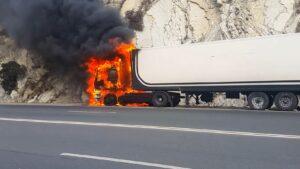
Utility trucks with a raised boom and bucket, often called bucket trucks or cherry pickers, work along roads throughout Fayette County. Power, phone, and cable crews use them to reach lines, while tree crews use them to trim high branches. Most of the time, these trucks help keep communities running. However, a bucket truck accident can cause serious injuries to drivers, cyclists, and pedestrians. This article explains why these crashes happen, who may be responsible, and why the answers often become complicated.
Why Bucket Trucks Create Unique Risks
In practice, bucket trucks often work where traffic least expects them. Crews park on narrow shoulders, in turn lanes, or partly in the travel lane. Around Woolsey and rural south Fayette, many roads have little shoulder at all.
The equipment adds danger. A raised boom can swing over a lane, and tools or branches can fall from the bucket. Meanwhile, the truck itself is heavy and tall, which makes it slow to stop and hard to see around.
Timing matters too. Storm repairs often happen at night or in heavy rain. In those conditions, a stopped truck can appear suddenly in front of an approaching driver.

Speak with a Charlotte car accident lawyer and get a free consultation today.
Call (980) 246-2656Common Causes of a Bucket Truck Accident
Many crashes involving utility trucks follow familiar patterns:
- Trucks parked in or near travel lanes without enough warning
- Missing cones, signs, or flaggers around the work area
- Tools, debris, or branches falling from the bucket
- Booms left raised or extended while the truck moves
- Poor maintenance of hydraulics, brakes, or outriggers
- Drivers unfamiliar with a rented or borrowed truck
Notably, each cause points toward different evidence. Some involve the crew’s choices on the scene, while others involve the company’s training and maintenance.
When Falling Debris Causes the Injury
Not every bucket truck accident involves a collision. Sometimes a tool, a cut branch, or a piece of equipment falls from the bucket onto a car or a person below. These injuries can be severe, because objects gain force as they fall.
Crews have a duty to control the area beneath their work. For example, they may need to close a lane, post a spotter, or keep traffic clear. When a crew skips those precautions, the company may answer for the harm.

Pedestrians and Cyclists Near Work Zones
Bucket trucks often work along sidewalks and neighborhood streets. As a result, pedestrians and cyclists may have to step into traffic to get around a truck. A blocked sidewalk with no safe detour can create real danger.
In those cases, the question often turns on how the crew set up the work zone. A crew that blocked a path without a safe alternative may share responsibility for what followed. Likewise, a driver who struck a person detouring around the truck may also share the blame.
Who May Be Responsible
A bucket truck accident often involves more than one company. Utilities frequently hire contractors for line work and tree trimming. Contractors, in turn, may rent trucks for short jobs.
Possible responsible parties include:
- Truck driver or crew: for unsafe parking, poor warnings, or careless equipment use
- Utility company: for its own employees or unsafe work practices
- Contractor: for its crew’s training and work-zone setup
- Rental company: for renting a poorly maintained truck
- Equipment manufacturer: in some cases, for a defective boom or hydraulic part
As a result, sorting out these relationships takes investigation. Contracts often decide who controlled the work and who carries insurance. Some even shift responsibility between companies.
Why Warnings and Work Zones Matter
Crews that work on or beside a road must warn approaching traffic. Typically, that means cones, signs, flashing lights, and sometimes flaggers. When a crew skips those steps, drivers lose the time they need to react.
Georgia law also places a duty on passing drivers. Under O.C.G.A. § 40-6-16, a driver approaching a stationary utility service vehicle with flashing lights or cones must move over when safe. Otherwise, the driver must slow below the speed limit and prepare to stop.
That rule cuts both ways. A utility company may argue an injured driver failed to move over. Conversely, a crew without proper lights or cones may have made the duty impossible to follow. The evidence decides which way the rule points.
Why Storm Season Raises the Risk
Georgia storms often bring downed lines and fallen trees. Afterward, utility crews work long shifts to restore power across Fayette County. Fatigue, darkness, and pressure to finish quickly can all lead to shortcuts.
Those shortcuts can include skipped cones, poorly placed trucks, or rushed equipment checks. Even in an emergency, crews still owe drivers reasonable care. A storm explains the work, but it does not excuse an unsafe work zone.
How Georgia’s Fault Rules Apply
Georgia follows a modified comparative fault rule. Under O.C.G.A. § 51-12-33, a jury can reduce your recovery by your share of fault. If you are 50% or more at fault, you recover nothing.
Utility companies and their insurers know this rule well. Consequently, they often focus on the injured driver’s speed, lane position, or attention. A thorough investigation of the work zone can push back against those arguments.
Why the Type of Utility Matters
Importantly, not every utility operates under the same legal rules. Investor-owned power companies and private contractors generally face claims like any other business. Electric membership cooperatives are also private organizations.
City-owned utilities raise different questions. Claims against a city in Georgia require written notice within six months of the incident. That notice must meet specific requirements, including a dollar amount. Missing it can end the claim before it starts.
Because the truck’s logo does not always reveal who controlled the work, early investigation matters. A truck marked with one company’s name may belong to a contractor or a rental fleet.
Evidence That Decides These Cases
In general, bucket truck cases depend on details from the work site. Important evidence may include:
- Photos and video showing cones, signs, and lights
- Work orders and job assignments for the crew
- Contracts between the utility and its contractors
- Rental agreements and maintenance records for the truck
- Crew training records and safety policies
- Witness statements from neighbors and other drivers
Much of this evidence disappears quickly. Work zones clear within hours, and crews move on to the next job. Therefore, early preservation demands can protect proof that would otherwise vanish.
What a Claim Can Cover
Crashes with heavy utility trucks often cause serious injuries. A claim may include medical care, rehabilitation, and future treatment. It can also cover lost income and reduced ability to work.
Georgia law also allows recovery for pain and suffering. When a crash takes a life, the family may bring a wrongful death claim. Additionally, larger utilities and contractors usually carry substantial insurance, which can matter when injuries are severe.
Why Hire a Lawyer After a Bucket Truck Accident
Understandably, facing a utility company can feel intimidating. These companies have legal teams and insurers ready to respond within hours. Many will begin building their defense before you leave the hospital.
A lawyer can identify every company involved and trace who controlled the truck and crew. Your attorney can also demand records the companies rarely share voluntarily. Georgia generally allows two years to file an injury lawsuit, yet claims involving a city utility may require notice much sooner.
Talk to a Woolsey Truck Accident Attorney
If a bucket truck accident left you injured near Woolsey or anywhere in Fayette County, Shane Smith Law can review your case for free. We will explain who may be responsible and which deadlines apply. You pay no attorney fee unless we recover money for you.
Call 980-246-2656 today for a free consultation with our team.