

Trucks hauling fuel, chemicals, and other hazardous materials travel through Fayette County every day. When one crashes, the cargo can burn, explode, or release toxic fumes. For that reason, federal law demands more from the people who drive these trucks. A driver must hold a HAZMAT endorsement on top of a commercial driver’s license. This article explains what that endorsement requires, why carriers must check it, and how a missing qualification can affect your claim.
Why HAZMAT Crashes Are So Dangerous
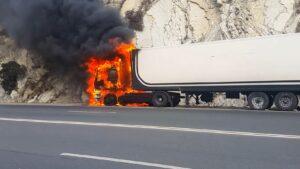
Hazardous materials include flammable liquids and gases, explosives, corrosives, toxic substances, and radioactive materials. In a crash, those materials can escape and injure anyone nearby. Fires, chemical burns, and toxic exposure can harm drivers, passengers, and first responders alike.
These crashes can also spread harm well beyond the first collision and the vehicles involved. Spills may close highways for hours and force nearby evacuations. Exposure injuries, such as breathing problems or chemical burns to the eyes, sometimes appear hours later. Medical records that document the exposure therefore matter a great deal.

Speak with a Charlotte car accident lawyer and get a free consultation today.
Call (980) 246-2656What a HAZMAT Endorsement Requires
A standard commercial driver’s license does not allow a driver to haul placarded hazardous materials. Instead, the driver needs a separate endorsement on the license. Earning it requires extra steps beyond the basic CDL.
First, the driver must pass an additional knowledge test on hazardous materials. Second, the Transportation Security Administration must complete a security threat assessment. That assessment includes fingerprints and a criminal background check. Finally, the endorsement expires no more than five years after the security assessment, so drivers must renew it regularly.
A related endorsement covers drivers who haul hazardous materials in tank vehicles. Either way, the extra screening reflects the higher stakes of these loads. Regulators want only trained, vetted drivers behind the wheel.
Why Training Matters Too
The endorsement is only part of the picture. Federal hazardous materials rules also require employers to train every hazmat employee. Under 49 CFR 172.704, that training covers general awareness, job-specific duties, safety, and security.
New employees must finish that training within 90 days, and they must work under direct supervision until they do. After that, recurrent training must occur at least once every three years. Employers must also keep training records. Those records often become important evidence after a crash. Gaps in them can show that a company treated safety as an afterthought.

Why Carriers Must Check the HAZMAT Endorsement
Federal law places a clear duty on employers. Under 49 CFR 383.37, an employer may not allow a driver to operate a commercial vehicle when it knows, or should reasonably know, the driver lacks the proper license class or endorsements.
That rule matters a great deal in a claim. A carrier cannot simply blame its driver for lacking a HAZMAT endorsement. If the company knew or should have known, it may share responsibility. Georgia courts have also refused to let carriers escape liability by claiming they never checked a driver’s record when the law required it.
When a Missing Endorsement Affects Your Claim
A missing endorsement does not, by itself, prove the driver caused the crash. The violation must connect to what happened. For example, a driver without proper training may mishandle a leaking load or fail to follow emergency procedures.
Still, the failure can reveal broader problems. A carrier that skipped endorsement checks may also have skipped training, inspections, or background checks. Those patterns can support claims for negligent hiring, training, and supervision against the company itself.
Why Some Carriers Cut Corners
Qualified HAZMAT drivers are in high demand. The endorsement takes time, testing, and a background check, and drivers must renew it. Some carriers fill gaps by sending drivers out before their paperwork is complete or after it has lapsed.
Other problems arise when a driver’s endorsement expires mid-route or after a job change. Busy dispatchers may not notice the lapse right away. However, federal law does not excuse an employer that should reasonably have known. That standard puts the burden on carriers to track their drivers’ qualifications.
Placards and Emergency Information
Federal rules also require HAZMAT trucks to display placards that identify the cargo’s hazard class. Shipping papers must include emergency response information and a monitored phone number. These requirements help first responders act quickly and safely.
When placards or shipping papers are missing or wrong, responders may approach a scene unaware of the danger. That failure can worsen injuries for everyone nearby, including responders. It can also point to the shipper, the carrier, or both.
Who May Be Responsible After a HAZMAT Crash
HAZMAT shipments often involve several businesses. Possible responsible parties include:
- Truck driver: for unsafe driving or mishandling the load
- Trucking company: for hiring, training, and supervision failures
- Shipper: for improper packaging, labeling, or loading
- Maintenance provider: for faulty brakes, valves, or tanks
- Manufacturer: for defective tanks or containers
Each party may carry its own insurance. Therefore, identifying every one protects the full value of a claim and avoids leaving coverage behind.
Why Insurance Limits Run Higher
Federal rules require most interstate carriers of ordinary freight to carry at least $750,000 in liability coverage. Carriers of certain hazardous materials must carry more. Depending on the cargo, minimums reach $1 million or $5 million.
Those higher limits matter when injuries are severe. Burns, toxic exposure, and crash injuries can lead to long hospital stays, repeated surgeries, and lifelong care. Reaching the right policy often decides whether insurance fully pays a claim.
How Georgia’s Fault Rules Apply
Georgia follows a modified comparative fault rule. Under O.C.G.A. § 51-12-33, a jury can reduce your recovery by your share of fault. If you are 50% or more at fault, you recover nothing.
Carriers and shippers may also blame each other to reduce their own shares. Under Georgia’s apportionment rules, each defendant generally pays only its own share. Consequently, identifying every responsible company matters from the start.
Why Evidence Disappears Quickly
Cleanup crews often clear HAZMAT scenes fast for safety reasons. Crews may remove or destroy damaged containers, valves, and cargo. Meanwhile, the carrier controls driver files, training records, and electronic logs.
Federal rules let carriers discard some records after set periods. A preservation letter from a lawyer can stop routine destruction. Early action protects evidence about the endorsement, the training, and the crash itself. It also gives experts time to examine the cargo containers.
What a HAZMAT Crash Claim Can Cover
A claim may include emergency care, burn treatment, surgery, and future medical needs. It can also cover lost income and reduced ability to work. Additionally, Georgia law allows recovery for pain and suffering.
When a crash takes a life, the family may bring a wrongful death claim. Separately, the estate may recover medical and funeral costs.
Why Hire a Lawyer After a HAZMAT Truck Crash
HAZMAT cases involve licensing rules, training rules, shipping rules, and several companies. Each company may point at another. Without a full investigation, an injured person may miss a responsible party or a higher insurance policy.
A lawyer can obtain the driver’s qualification file and training records. Your attorney can also work with experts to connect any violation to the crash. Georgia generally allows two years to file an injury lawsuit, but key records can disappear much sooner.
For more on HAZMAT cargo, placards, and routing rules, see our HAZMAT truck accident page.
Contact a Fayette County Personal Injury Attorney for a Free Consultation
If a HAZMAT truck injured you in Fayette County, Shane Smith Law can review your case for free. We will explain who may be responsible and which deadlines apply. You pay no attorney fee unless we recover money for you.
Call 980-246-2656 today to talk with our team about your crash and your options.