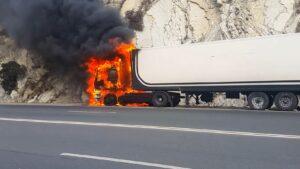


Commercial vehicles fill Charlotte streets every day. Plumbers, caterers, bus lines, and waste haulers all put drivers on the road for business. When one of those drivers causes a crash, the claim rarely looks like an ordinary car wreck. A commercial vehicle accident lawyer focuses on the business behind the vehicle, not just the person behind the wheel. This article explains what that work involves and why it matters for your recovery.
Commercial Vehicles Cover More Than Big Rigs
Many people picture an 18-wheeler when they hear the phrase. In reality, the category runs much broader. Box trucks, delivery vans, shuttle buses, and tow trucks often qualify. So do pickups that contractors drive between job sites.
Each type brings its own rules. For instance, a charter bus must meet passenger safety standards. A dump truck, by contrast, must keep gravel and rock from escaping onto the road. Knowing which rules apply shapes the entire claim.

Speak with a Charlotte car accident lawyer and get a free consultation today.
Call (980) 246-2656The Business Behind the Wheel
A personal car crash usually involves one driver and one insurance policy. Commercial crashes add a company to the picture. Often, they add several.
The driver may work for one business while driving a truck leased from another. Meanwhile, a third company may have loaded the cargo or serviced the brakes. Each relationship can open a separate path to recovery.
North Carolina law gives injured people a useful starting point. Under N.C. Gen. Stat. § 20-71.1, a vehicle’s registration serves as prima facie evidence of agency. In plain terms, a jury may infer that the driver acted for the registered owner. The owner can still offer contrary proof, though. For that reason, early investigation into ownership and employment matters.
What a Commercial Vehicle Accident Lawyer Investigates
Commercial claims turn on records that injured people never see. A commercial vehicle accident lawyer works to obtain and preserve that evidence. Key sources often include:
- Dispatch logs and delivery schedules
- Driver hiring, training, and licensing files
- Maintenance and inspection records
- GPS and telematics data
- Company cell phone policies
- Contracts between the owner, the driver, and any customer
Businesses control most of these records. Some also overwrite them on routine schedules. A formal preservation demand tells the company that the evidence matters and must stay intact.

Why Commercial Insurance Gets Complicated
Commercial policies rarely work like a simple personal auto policy. A business may carry primary coverage, an umbrella policy, and separate coverage for rented or employee-owned vehicles. Each insurer may argue that another policy should pay first.
Similarly, an employee’s personal insurer may deny coverage if the driver was working. Many personal policies exclude business use. Untangling that order of coverage takes a careful review of every policy.
North Carolina raised its minimum personal liability limits to 50/100/50 on . Even so, serious injuries can exceed those amounts quickly. Finding every available policy often decides whether a recovery covers future care.
Contributory Negligence Raises the Stakes
North Carolina still follows contributory negligence. Under that rule, a jury can bar your recovery if you share any fault. Commercial insurers know this rule well.
As a result, they may study everything you did in the seconds before impact. A lane change, a late brake, or a glance at a mirror can become an argument. Strong evidence about the commercial driver’s conduct helps answer those claims. Exceptions such as last clear chance may also apply in the right case.
Common Questions About Commercial Vehicle Claims
Is a commercial vehicle claim worth more than a car accident claim?
Not automatically. Value depends on your injuries, your losses, and the evidence of fault. Still, commercial claims often involve more insurance and more responsible parties. That combination can make a full recovery more realistic when injuries are severe.
What if the driver was an independent contractor?
Contractor status does not end the inquiry. The company may still have controlled the work, the schedule, or the vehicle. Federal law also treats some contractors like employees while they operate a commercial motor vehicle. Contracts and dispatch records usually reveal the real relationship.
Does a police citation prove the commercial driver was at fault?
A citation helps, but it rarely settles a civil claim on its own. Officers often write citations quickly, without seeing the crash itself. A civil claim still needs witnesses, data, and company records. Only a thorough investigation fills the gaps a citation leaves.
Why Hiring a Lawyer Changes the Picture
Commercial carriers and their insurers handle claims every day. They keep adjusters, investigators, and defense lawyers ready before a crash ever happens. An injured person, meanwhile, usually focuses on surgery, therapy, and missed work.
A lawyer closes that gap. Your attorney can identify every company tied to the vehicle and every policy that may apply. In addition, your legal team can work with reconstruction experts and treating doctors. That work shows both how the crash happened and what it will cost you over time.
Deadlines also matter. Most North Carolina injury claims carry a three-year filing deadline. Wrongful death claims generally allow only two years. Evidence, however, can disappear in weeks.
Talk to a Charlotte Commercial Vehicle Accident Lawyer
If a work truck, van, bus, or other commercial vehicle injured you, Shane Smith Law can help. We will review who owned the vehicle, who employed the driver, and which policies may pay. Your consultation is free.
Call 980-246-2656 today to speak with our team.