
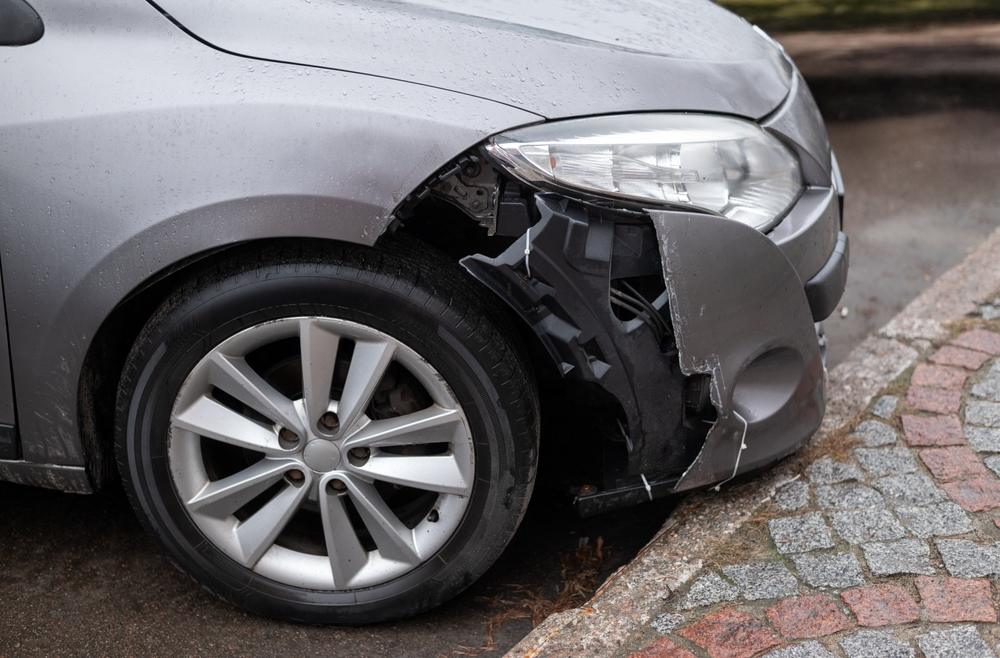

Can I sue after a car accident that happened in poor weather conditions? Even in poor weather conditions, you can file a claim or lawsuit against all liable parties.
While working with a Charlotte car accident lawyer can be a critical step in this process, there are several factors to consider about your ability to sue after a car accident in bad weather.
Drivers are Liable for Accidents in Bad Weather
Victims hurt in an accident caused by another party may still file a claim against the at-fault party even if bad weather plays a role in the incident. If road conditions are poor, drivers are responsible for operating safely or avoiding driving until conditions improve. When a person gets on the road and drives in bad conditions, they accept the duty of care to protect others.
This can be challenging to many, especially when wind or heavy rain causes a driver to lose control of the vehicle. However, the law requires that all drivers exercise reasonable care in these situations, which means adapting their driving or even not driving when conditions are poor.
When a driver fails to take necessary precautions, and this leads to an accident due to their mistakes, you may seek a claim against those parties. You should also consider your own actions in these situations and document all factors involved in the accident before moving your case forward.

Speak with a Charlotte car accident lawyer and get a free consultation today.
Call (980) 246-2656Demonstrate That the Other Party Did Not Use Reasonable Care
If you believe the other party did not use reasonable care in adjusting their driving and that resulted in the accident, you can present that information to the insurance company or others at fault. Here are some examples of weather-related accidents that demonstrate the other driver’s negligence:
- Speed: Driving too fast does not mean exceeding the speed limit. The driver may be operating the vehicle at a speed too high for the conditions.
- Tailgating: The driver was following the other driver too closely at the time of the accident, and therefore did not have enough room to stop before rear-ending them.
- Mechanical failures and equipment problems: The driver did not have working headlights or wipers, or they were not used when necessary at the time of the accident.
- Reckless operation: The driver failed to heed weather warnings about changing conditions and adjust their driving to account for known risks.
- Loss of control: The driver lost control of their vehicle due to inexperience on the roadway or failing to recognize the hazardous conditions.
- Tire-related failures: The driver was using a car with faulty brakes or worn tires, increasing the risk of an accident in poor conditions.
- Road rage: Engaging in road rage, such as passing too closely, merging aggressively, braking hard and unnecessarily, or switching lanes without warning, could be factors indicating the other driver was at fault.
In these situations, the at-fault driver may be held accountable for your injuries if you can show that their actions contributed to the accident. This can be a complex case, one that requires you to obtain significant data to substantiate your claims. Your Charlotte personal injury lawyer can help you to do that and protect you from claims made against you.
Factor in Any Responsibility of Your Own
Your right to sue another party for the losses you incurred is dependent, at least in part, on whether you contributed to the accident. State laws differ regarding situations in which both drivers played a role in the accident. In some cases, this may eliminate your right to pursue damages.
A good example of this is in North Carolina, a state that follows a pure contributory negligence law (§143-299.1), which bars anyone who holds any fault in an accident from filing a claim against the other party.
Even if you are found just 1% at fault, you cannot seek financial compensation from the driver who was 99% at fault. Your attorney can work to protect your best interests and help you avoid unintentionally taking the blame for your accident.

You are Filing the Claim Within the State’s Statute of Limitations
Another important factor in pursuing a car accident claim is the statute of limitations for your accident. Most states have a strict timeframe in which you must file a lawsuit, or the court will not hear your case, and you cannot recover damages at all. This length of time also varies by state.
For example, in North Carolina, victims can seek a claim within three years of the date of the accident if they suffer personal injuries caused in a car accident. It is imperative that you act within the statute of limitations, but you should not wait that long. Waiting can make it harder to find evidence and prove your claim. Moreover, it takes time to build a case, and in most cases, out-of-court settlements are faster. Learn more in our Car Accident Victim Survival Guide.
Turn to a Local Attorney for Guidance on Suing in an Accident
In a car accident in which you suffer serious injuries and losses due to the negligence of another driver operating in poor weather conditions, arm yourself with an attorney. At Shane Smith Law, we provide you with comprehensive legal support in challenging cases.


