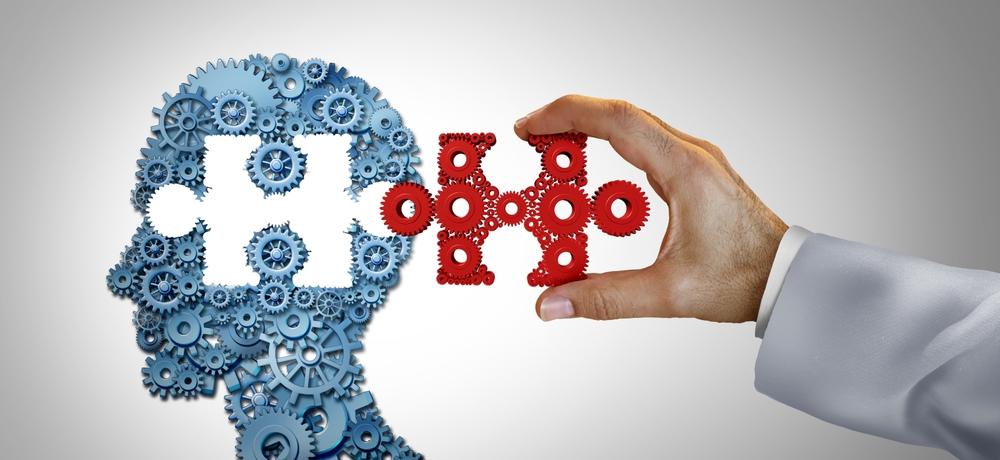

Ever wondered what popcorn and brain fog have in common? On this episode of Mind Matters: Navigating Head Injuries and Concussions, we welcomed back neurologist Dr. Robert Bashuk to explore how concussions affect our brain’s ability to create new neurons—a process known as adult hippocampal neurogenesis—and how this ties into memory, mood, and that all-too-familiar feeling of “brain fog.”
Let’s dive into the science behind it and what it means for concussion recovery, brain health, and even your long-term mental clarity.
From Popcorn to the Brain: A Surprising Connection
Dr. Bashuk kicked off with a metaphor that may stick with you every time you reach for popcorn. Only a special type of corn—Zea mays everta—can pop. Similarly, only a specific part of the brain—the hippocampus—can generate new neurons in adulthood. And just like popcorn, these neurons need the right conditions to “pop” into action.
This isn’t just trivia—it’s the foundation for understanding how the brain heals after a concussion.
What Happens During a Concussion?
A concussion isn’t always a direct blow to the head. It can result from a forceful impact to the head, neck, or body, triggering a neurochemical and metabolic cascade in the brain.
Some of the key changes include:
- Axonal shearing (like twisting spaghetti)
- Blood flow disruption
- Mitochondrial damage leading to a 20% energy drop
- Neuroinflammation
- Dysfunction of the autonomic nervous system (especially the overactivation of “fight or flight”)
None of this shows up on a CT scan or MRI. But patients feel it—through headaches, memory issues, dizziness, sleep trouble, and what they often describe as “brain fog.”
What Is Adult Hippocampal Neurogenesis?
This is the process by which the adult brain creates new neurons daily, specifically in the dentate gyrus of the hippocampus—a region critical for:
- Memory
- Learning
- Spatial navigation
- Emotional processing
- Pattern recognition
Each day, around 700 new brain cells are formed. But after a concussion, this delicate process gets disrupted.
Brain Fog, Depression, and the Injury Connection
Dr. Bashuk believes that brain fog and post–concussive depression are rooted in disrupted hippocampal neurogenesis. That’s because:
- Neurons are vulnerable to injury post-concussion.
- Neuroinflammation halts neurogenesis.
- Excess stress, high cortisol, and vitamin deficiencies further impair recovery.
Chemotherapy patients, people with Alzheimer’s, and even those under chronic stress all experience similar disruptions in this process—highlighting how sensitive and essential neurogenesis is.
Boosting Brain Recovery: What You Can Do
The great news? You can actively support your brain’s ability to heal and regenerate:
Lifestyle Tips to Improve Neurogenesis:
- Aerobic exercise (think: treadmill or BCTT testing)
- Omega–3 fatty acids (Dr. Bashuk takes them twice a day)
- Vitamin B12 and D (both often deficient in TBI patients)
- New experiences (travel, trying new food, learning a skill)
- Social interaction and good sleep
- Blueberries, crunchy foods, and intermittent fasting
Neurogenesis isn’t just about healing from injury—it’s about long-term brain health and potentially delaying neurodegenerative diseases like Alzheimer’s and Parkinson’s.
Testing for Cognitive Impairment After a Concussion
At Dr. Bashuk’s office, patients with head injuries undergo a range of cognitive evaluations:
- Creyos Cognitive Test
- DCAT (DriveABLE Cognitive Assessment Tool)
- TOMM Test
- Cognision auditory testing
Combined with bloodwork (checking Omega–3 levels, B12, D, iron, magnesium, and more), these tests help pinpoint the cause of lingering symptoms and guide a recovery plan.
It’s Never Too Early (or Too Late) to Start
Whether you’re recovering from a concussion or simply looking to maintain your cognitive health, investing in your brain is one of the best things you can do for your future.
As Dr. Bashuk puts it:
“When my grandkids graduate from high school or get married, I want to be able to walk, talk, and be present. That’s why I prioritize my brain health now.”
If you or someone you love is dealing with a head injury, don’t wait. Get a proper diagnosis, ask about blood testing, and most importantly—start taking care of your hippocampus.
Want to hear the full conversation? Check out the latest episode of Mind Matters on your favorite podcast platform.
Have questions or comments? Drop them below—we’d love to hear from you!
In pain, call Shane!
Shane Smith Law | 980-999-9999


