

When you think about brain injuries like concussions, most people focus on the impact—the hit to the head, the dizziness, the fog. But what if one of the biggest keys to recovery—and even long-term brain health—lies in something that only happens when you’re asleep?
Welcome back to Mind Matters: Navigating Head Injuries and Concussions. I’m Kiley Como, Legal Nurse Consultant at Shane Smith Law, and in this episode, I sat down once again with our expert guest, Dr. Robert Bashuk, Medical Director and Lead Neurologist at the Neuroscience Specialty Centers, to talk about a little-known but critically important process in your brain: the glymphatic system.
What Is the Glymphatic System?
Discovered as recently as 2012, the glymphatic system is your brain’s waste removal system. It’s like a nightly garbage truck for your neurons, flushing out toxins, proteins, and cellular debris—including amyloid and tau, the same compounds linked to Alzheimer’s disease and other forms of dementia.
So where does the name come from?
- “Glym-“ comes from glial cells, which support and protect neurons.
- “-phatic“ is from the lymphatic system, the body’s immune drainage network.
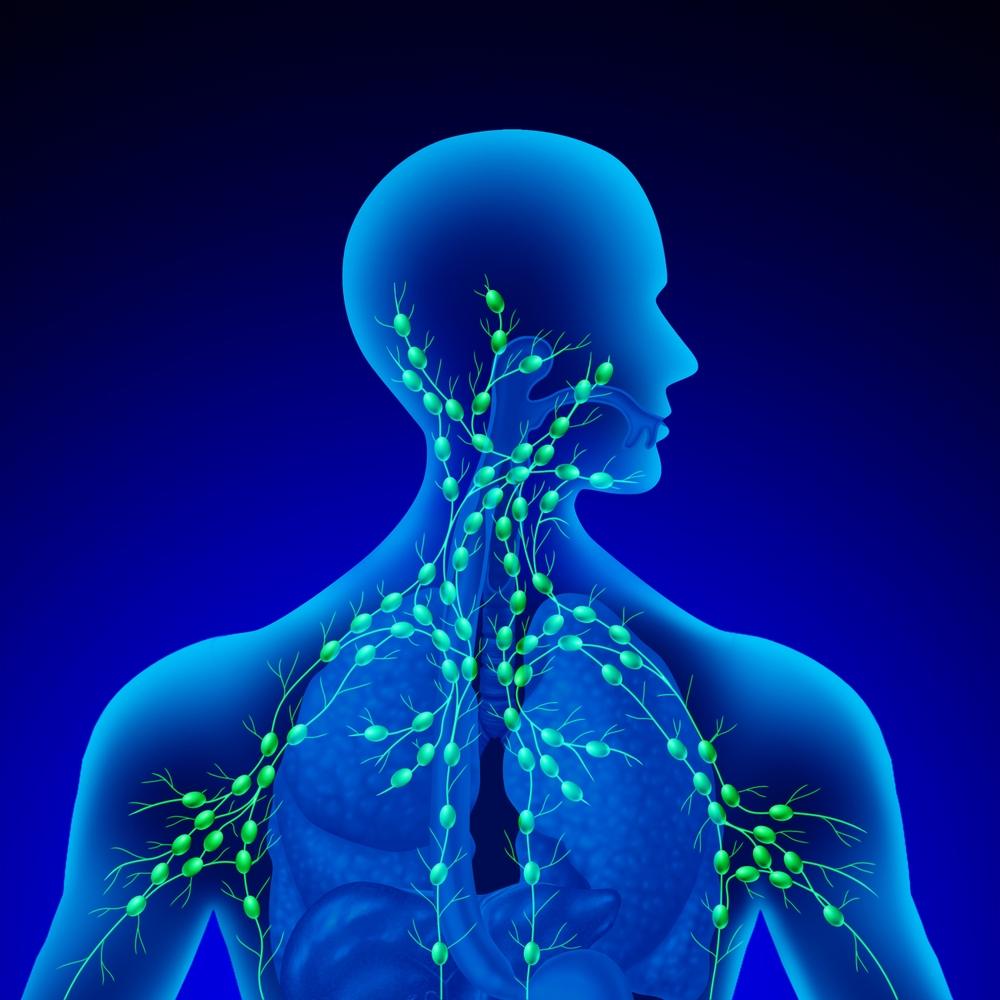
But here’s the twist: while the lymphatic system exists throughout the body, the glymphatic system only operates in the brain.
Sleep: The Brain’s Trash Pickup Window
This system is most active during deep sleep, when your neurons quiet down and the brain can finally clear the day’s debris. Dr. Bashuk explained it like this:
“Think of it like trash day—if no one picks up the trash, it piles up. In your brain, if the glymphatic system doesn’t do its job, that waste builds up and leads to inflammation, cognitive issues, and potentially long-term damage.”
In fact, 90% of glymphatic activity happens during sleep. Go just 24 hours without rest, and your brain can show double the amount of beta-amyloid. No wonder you feel foggy, irritable, and forgetful after a sleepless night.
What Happens After a Concussion?
Concussions often interfere with sleep. Whether it’s due to pain, anxiety, or dysregulation of the nervous system, the result is the same: impaired glymphatic function. Without proper sleep, the brain can’t remove waste effectively, which leads to:
- Ongoing neuroinflammation
- Persistent brain fog
- Worsening memory problems
- Increased risk of neurodegenerative diseases
Dr. Bashuk emphasized that this cycle can become vicious: poor sleep leads to glymphatic dysfunction, which increases inflammation, which then worsens sleep—and around it goes.
How to Improve Glymphatic Health
Fortunately, there’s hope—and it starts with lifestyle changes that help the brain recover and thrive. Here’s what Dr. Bashuk recommends:
✅ Sleep hygiene – Aim for consistent, quality sleep each night
✅ Aerobic exercise – Improves glymphatic flow and brain plasticity
✅ Nutrition – A healthy diet rich in Omega-3s, B12, and Vitamin D
✅ Routine lab checks – Keep B12 above 400, Vitamin D above 40, and Omega-3 index over 5.4
These changes don’t just help after a concussion. They may actually reduce your risk for Alzheimer’s, Parkinson’s, Lewy Body dementia, and other disorders.
“Can you prevent or delay neurodegenerative diseases by improving glymphatic flow and reducing inflammation? I think the answer is yes,” said Dr. Bashuk.
Could a Concussion Change Your Life—For the Better?
Nobody wants a brain injury. But as Dr. Bashuk pointed out, sometimes a concussion can be a wake-up call that inspires better habits—just like a mild heart attack might prompt someone to start exercising and eating better.
“It’s not ideal, but if it leads you to improve your health and quality of life, something good can come from it.”
Final Thoughts
Whether you’re a medical professional, a concussion survivor, or someone who loves them, understanding the glymphatic system is a powerful step forward in brain health.
If you’re struggling after a concussion—brain fog, memory issues, sleep problems—you’re not alone, and you’re not out of options. Help is available.
And remember:
In pain? Call Shane!
📞 980-999-9999
Shane Smith Law — Personal Injury Experts
Want more expert insights like this?
Subscribe to Mind Matters, drop a comment, and let us know what topics you’d like us to cover next!


