

At Shane Smith Law, we know the journey after a brain injury can be long, confusing, and painful—not just physically, but emotionally and mentally.
That’s why our Mind Matters podcast dives deep into the often overlooked realities of head injuries and traumatic brain injury (TBI). In our latest episode, Legal Nurse Consultant Kiley Como sits down with renowned neurologist, researcher, and speaker Dr. McKenzie Lerario, who specializes in Functional Neurological Disorder (FND)—a condition that affects many of our clients and yet remains widely misunderstood.
What Is FND?
Dr. Lerario breaks it down: Functional Neurological Disorder isn’t about visible damage to the brain. Instead, it’s about how the brain functions—or, in this case, malfunctions.
Unlike structural disorders where imaging may reveal a tumor or stroke, FND is about miscommunication between the brain and body. Think of it like a computer: the hardware is fine, but the software is glitching.
Patients with FND can experience symptoms like:
- Non-epileptic seizures
- Limb weakness
- Tremors or tics
- Difficulty walking or speaking
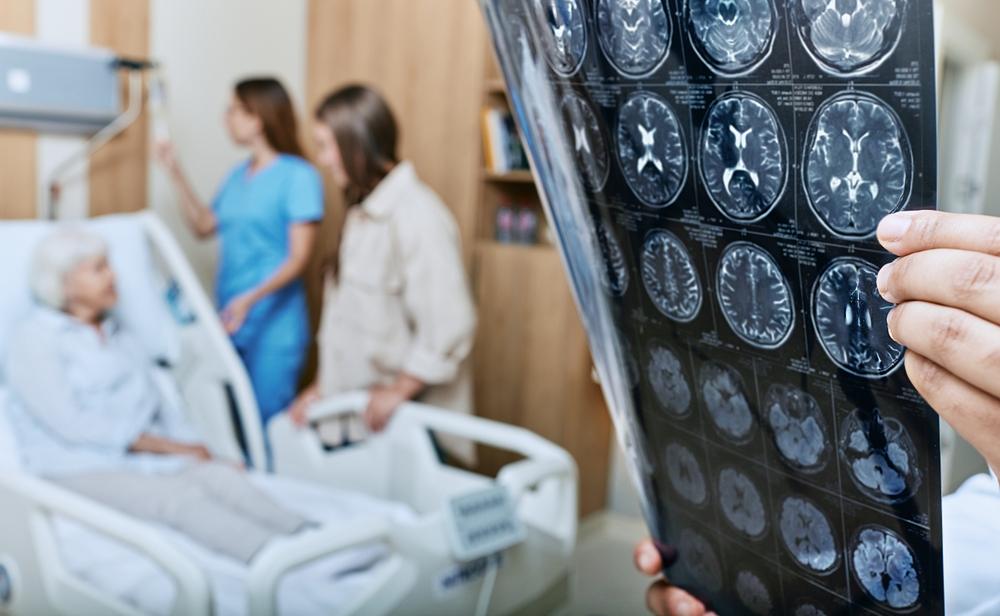
Despite these very real symptoms, standard imaging tests may show no abnormalities. But new functional MRIs have revealed that brain networks controlling sensation, emotion, and movement are indeed behaving abnormally in FND patients.
Common Misconceptions
Historically misunderstood as “hysteria” or misdiagnosed as purely psychological, FND has carried a stigma for decades. But Dr. Lerario emphasizes that these symptoms are not imagined or faked—they are involuntary and disabling.
“It’s out of their control,” Dr. Lerario explains. “The symptoms are not voluntary. It’s not all in their head.”
Causes & Risk Factors
While we don’t yet know the precise cause of FND, Dr. Lerario notes that emotional trauma and stress may be contributing factors. A history of physical or sexual abuse, for instance, is more common in FND patients—especially women, who are three times more likely than men to be diagnosed.
The amygdala (the brain’s emotional processor) often shows signs of overactivity in FND cases. Other brain regions involved in movement and attention—like the anterior cingulate cortex and insular cortex—also play a role, especially in how symptoms appear or disappear depending on whether a person is focusing on them.
Diagnosing FND: It’s About What Is, Not Just What Isn’t
In the past, doctors diagnosed FND by ruling out everything else. But today, the approach has shifted. Providers look for positive signs, such as:
- Tremors that change when the patient is distracted
- Seizures where the person remains conscious (unlike typical epileptic seizures)
- Physical test results like the Hoover sign, which reveals functional limb weakness
Even some neurologists are still catching up with the latest methods. “It’s the second most common reason patients visit an outpatient neurologist,” Dr. Lerario says, “but many providers aren’t properly trained in recognizing it.”
Why This Matters for Injury Victims
FND often arises after a traumatic event—including car accidents or concussions—and can easily be missed by providers unfamiliar with it. As Kiley notes, “Sometimes there’s no direct impact, but a sudden stop or whiplash can lead to these complex brain symptoms.”
And if you’ve ever been told your symptoms are “in your head,” know this: FND is real. The suffering is real. And the need for the right diagnosis and care is urgent.
If you or a loved one is struggling with unexplained neurological symptoms after a head injury, don’t wait. Speak to a specialist who understands FND—and a legal team that fights to get you the care and compensation you need.
I’m Kiley Como, Legal Nurse Consultant with Shane Smith Law.
In pain, call Shane! 980-999-9999


