
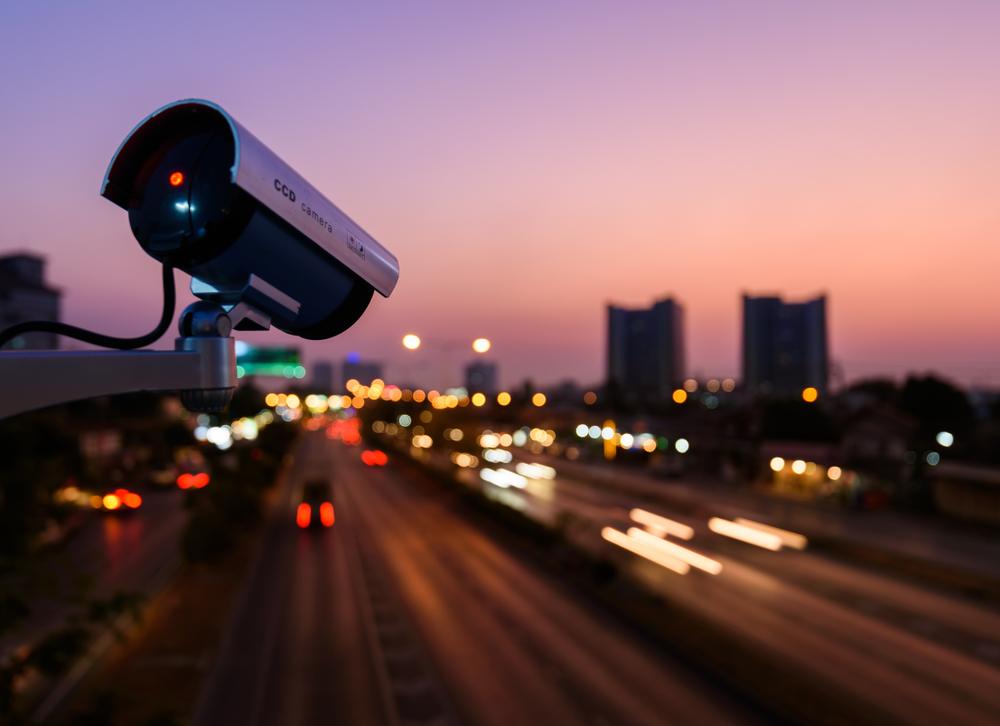

How can I get traffic cam footage in Charlotte? When you are in an accident, you can request access to traffic camera footage at the local police station. However, most of the cameras in the area do not maintain data long-term.
That means you need to contact the local police department immediately for help after the accident to preserve this evidence. There are several things you should know about getting footage from a traffic camera and what to do to protect your rights to this evidence, including speaking with a Charlotte car accident lawyer.
Contact the Local Police Department
The Charlotte-Mecklenburg Police Department (CMPD) is responsible for maintaining all of the traffic cameras in the area. That does not mean it is simple to walk in and request this information.
If you were in an accident and you suspect that there was traffic camera footage available to you, take the following steps to get the access you need.
- Visit the local police department location closest to where the accident took place.
- Request access to the traffic camera footage. You will need to know the exact location and an approximate time for the footage.
- This request may not be available in all situations, but if an accident occurred there, it may be easier to gather the information.
You will need to submit a formal CMPD video request, which means the police department’s staff will need to investigate and locate the data for you. This can take several days to complete, but it is typically done in the order received.
There is a video disclosure request form at the local police department to complete to obtain this footage. Be sure you consult with a Charlotte fatal car accident lawyer.
Speak with a Charlotte car accident lawyer and get a free consultation today.
Call (980) 246-2656Officer Video Recordings
In some situations, some of the most valuable information available to you will be data from the police officer’s recordings, such as their body camera footage.
This information and video are available to the public, but only to those directly involved in the accident. If a police officer came to the scene of the accident, you may be able to request access to any available footage that shows what happened by using this form: Request for Disclosure of Law Enforcement Video Recordings.
This helpful information may clarify why the police officer blamed you for the accident or what the other driver may have told the officer, whether or not it was accurate. If you believe there is data available that could help in this situation, you can request access to that footage.
To do so, you will need to fill out a request for disclosure of law enforcement video recordings from the local police department. This form requires you to provide as much information about the incident and location as possible. The staff will then look up that information to determine if there is any available evidence to support your claim.
Private Camera Data
Many times, accidents in North Carolina, especially in the Charlotte area, are caught on private cameras. This could include a local home with cameras in its driveway or on the street, or a commercial building to provide security. In most situations, it will be up to you or your attorney to request this information in advance and formally.
The property owner does not have to provide access to that information. If there is a camera, keep in mind that there may not be a recording.
Many of these systems only maintain actual footage of the area for a short time, even a matter of hours. After that, the system automatically deletes the information, destroying the critical evidence you need.
You may not know whether any private camera data is available, especially if no one comes to you with information. Most people do not review these videos unless they know they need to.
For this reason, be sure to contact anyone within the local area, including all business associates, to inquire about footage that could help you with your case. A hit and run accident lawyer in Charlotte is here to fight for you.

Live Traffic Cameras
There are numerous highways and roadways in Charlotte that provide a live look at road conditions at various intersections. These are live views, so they do not record or store any data. A third party may have done so, but the actual state or local police do not.
You can use the information on these live traffic cameras if you capture it in real time. For example, if you are in an accident that closes the roadway for hours, you may want to visit DriveNC.gov and locate the camera at the intersection or stretch of road where you are.
You may then be able to download that information and save it. It will not show what happened, but it does show the accident’s layout and may shed some light on it later.
Remember, these are often live camera feeds. They are not often recording the images. If they are, they may be behind a paid service. If they are recording, you will need to file a formal request for the information through the local police department.
News Camera Footage
Another potential source of evidence after an accident is news footage from cameras. Often, news crews can arrive at the scene of a serious accident quickly and start recording.
This creates an opportunity for you to obtain aftermath details that can shed light on the fault or help capture detailed information about the accident.
If you believe news camera footage is available, you will need to contact the specific news organization to request it. This can take some time, and they are not always required to provide the information to you.
News cameras and any third-party resources can be very valuable. It is worth finding out whether any evidence is available to build your case.
Do Not Forget to Hire an Attorney
Obtaining traffic cam footage in Charlotte is challenging in all situations. With the help of a Charlotte car accident lawyer, you will have an easier time gathering the information you need.
Call the office of Shane Smith Law today to schedule a free consultation.