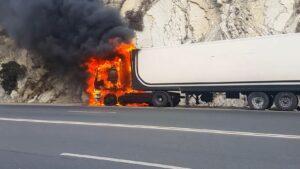


Tire blowout tractor-trailer accident liability rarely starts and ends with the driver. After a Charlotte 18-wheeler crash involving a tire failure, multiple defendants typically share legal responsibility. The carrier whose maintenance schedule was inadequate, the maintenance contractor who serviced the tires, the tire manufacturer whose product failed, and sometimes the loader whose overweight cargo stressed the tires beyond design limits. Furthermore, the maintenance and inspection records that establish responsibility often reveal preventable failures the carrier would prefer to keep buried.
Here’s why commercial tire blowouts happen, who faces liability, and how Charlotte attorneys build these complex multi-defendant cases.
Why Commercial Tire Blowout Tractor-Trailer Accident Liability Is Complex
Commercial truck tires operate under enormous stress. Specifically, a single tire on a fully loaded tractor-trailer can carry 6,000+ pounds at highway speeds for hours at a time. Furthermore, the tires are exposed to:
- Extreme temperature variations from road heat and friction
- Continuous flexion that generates internal heat
- Variable pressure from changing temperatures
- Impact damage from road hazards
- Wear patterns that depend on alignment, suspension, and load distribution
As a result, commercial tires require regular inspection and replacement on schedules far more rigorous than passenger car tires. Indeed, federal regulations specify minimum tread depths and inspection requirements precisely because tire failures can produce catastrophic outcomes.

Speak with a Charlotte car accident lawyer and get a free consultation today.
Call (980) 294-4931Common Causes of Commercial Tire Blowouts
Tire blowouts almost never happen randomly. Specifically, several recurring patterns produce the failures:
Underinflation
Underinflated tires generate excessive heat from continuous flexion. Furthermore, the heat builds throughout long drives until the tire’s structural integrity fails. As a result, underinflation is one of the leading causes of commercial tire blowouts. Notably, drivers and carriers know this; pre-trip inspections specifically include tire pressure checks.
Overloading
Tires are designed for specific load capacities. When trailers carry weight beyond design specifications, individual tires absorb more stress than they’re rated for. As a result, overloaded operations produce predictable tire failures. Indeed, overloading is often connected to cargo loader liability claims.
Worn or Damaged Tires
Federal regulations require tires to maintain minimum tread depths and prohibit operation with various structural defects. However, tires sometimes remain in service despite tread wear, sidewall damage, or signs of internal failure. Specifically, “looking the other way” on tire condition is a common cost-cutting practice that produces predictable crashes.
Retread Failures
Retreaded tires are common on commercial trailers. Furthermore, properly retreaded tires can serve safely for many miles. However, improper retreading or use of retreads on steer axles (where federal regulations restrict their use) can produce catastrophic failures. As a result, “road gators”, strips of failed retreads on highways, are visible reminders of the risk.
Manufacturing Defects
Some tire failures trace back to manufacturing defects rather than maintenance issues. Specifically, prior tire recalls have affected major commercial tire manufacturers. Indeed, when a tire fails in service, and that tire model has been the subject of recalls or known defect patterns, product liability claims may apply.
Alignment and Suspension Issues
Misaligned axles and worn suspension components produce uneven tire wear. As a result, tires designed for tens of thousands of miles can fail in a fraction of that time. Furthermore, alignment and suspension issues often go undetected without specific inspections.
What the Records Reveal
Tire failure cases live or die on documentation. Specifically, federal regulations require carriers to maintain extensive records that become subject to subpoena.
Pre-Trip Inspection Reports
Drivers must inspect tires daily and document any defects. Indeed, prior reports noting tire issues that weren’t addressed are direct evidence of negligence. As a result, when DVIR records show the driver flagged tire problems and the carrier dispatched the truck anyway, liability becomes clear.
Tire Maintenance and Replacement Records
Carriers track tire installation, rotation, and replacement schedules. Furthermore, comparison of these records against manufacturer recommendations reveals deferred maintenance. Specifically, tires kept in service beyond recommended replacement intervals create direct evidence of cost-cutting at safety expense.
Roadside Inspection Reports
FMCSA roadside inspections create permanent records. Importantly, when prior inspections identified tire-related violations, the carrier had clear notice of safety issues. As a result, continued operation despite inspection violations supports gross negligence claims.
Annual DOT Inspection Records
Annual inspections document tire condition. Furthermore, annual reports identifying tire-related defects that weren’t promptly remediated create powerful evidence of carrier-level safety failures.

Multi-Defendant Tire Blowout Cases
Tire failure cases typically involve several potential defendants:
The Driver
Drivers face liability for skipping required inspections, ignoring warning signs (vibration, pulling, unusual noise), and continuing to operate after recognizing problems.
The Motor Carrier
Carriers face liability for inadequate maintenance schedules, dispatching trucks with known tire issues, pressuring drivers to skip inspections, and using inappropriate tires for the operation.
The Maintenance Contractor
Third-party tire shops and maintenance contractors face direct liability for negligent inspections, improper repairs, or installation of inadequate tires. Furthermore, these contractors carry separate insurance.
The Tire Manufacturer
Defective tires produce manufacturer liability. As a result, prior recalls, known defects, or manufacturing failures can establish product liability claims that survive even when other defenses succeed.
The Cargo Loader
When overloading contributed to the failure, the cargo loader may face liability for distributing weight beyond tire capacity. Indeed, overloading cases often blend tire failure claims with cargo loader claims.
How Lawyers Build Tire Blowout Cases
These cases require systematic investigation. Specifically, Charlotte trucking accident lawyers typically pursue:
- Immediate forensic preservation of the failed tire
- Independent metallurgical or rubber analysis of the failure mode
- Subpoena of complete tire maintenance histories
- Subpoena of DOT inspection and roadside inspection records
- Investigation of recall and defect history for the tire model
- Depositions of maintenance and supervisory personnel
- Comparison of carrier practices against industry standards
Critically, the failed tire itself must be preserved before it disappears. Furthermore, the truck must be inspected before repairs can mask alignment, suspension, or overloading issues. As a result, prompt spoliation letters and independent inspection access are early case priorities.
For more on early evidence preservation in trucking cases, see our blog post on why the first 72 hours decide your case.
What This Means for Your Charlotte Trucking Accident Case
If a tire failure caused or contributed to your Charlotte 18-wheeler crash, the case potentially involves multiple defendants and multiple insurance layers. However, identifying every responsible party requires specific trucking-case experience and prompt investigation. As a result, hiring counsel with deep mechanical-failure case experience matters substantially.
Talk to a Charlotte Trucking Accident Lawyer Today
Shane Smith Law works with forensic engineers and tire specialists to build comprehensive tire failure cases. We know what to preserve, what to subpoena, and how to identify every responsible party in catastrophic crashes.
The consultation is free. We work on contingency, no fee unless we win.
Call (980) 246-2656 today. Or learn more on our Charlotte trucking accident lawyer page.