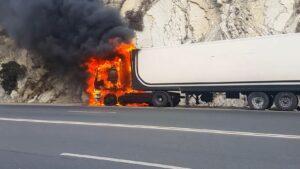


Moving truck crash renter liability creates a coverage puzzle that catches Charlotte victims off guard. Specifically, the rental company faces sharp federal limits on its liability, while the renter’s personal auto policy may deny coverage entirely for the rental truck. Furthermore, the supplemental coverage products sold at rental counters protect the renter — not third-party victims who get hit. As a result, recovering full compensation after a Charlotte moving truck crash requires navigating multiple potential coverage sources and identifying every available defendant beyond the renter alone.
Here’s how the moving truck coverage picture actually works and what makes these cases legally distinct.
Why the Moving Truck Crash Renter Liability Picture Gets Complicated
Moving truck crashes involve a coverage stack unlike any other commercial vehicle case. Critically, several policies may apply, conflict, or contain exclusions that leave victims with less coverage than they expected.
Several factors complicate the analysis:
- The Graves Amendment shields rental companies from most vicarious liability
- Personal auto policies typically exclude rental trucks over a certain size
- Supplemental rental products primarily protect the renter, not victims
- Credit card rental coverage usually excludes large trucks
- Employer-paid moves may trigger commercial coverage on top of personal policies
- College move-in patterns concentrate inexperienced renters in narrow windows
Furthermore, Charlotte sees enormous moving truck volumes throughout the year. Indeed, the city’s population growth, university enrollment cycles, and apartment turnover all generate continuous demand for rental trucks.

Speak with a Charlotte car accident lawyer and get a free consultation today.
Call (980) 294-4931The Renter’s Personal Liability
The renter operating the moving truck bears primary legal responsibility for any crash they cause. Specifically, the renter’s negligence — speeding, distracted driving, lane errors, improper backing — establishes direct liability under standard tort principles. As a result, the renter is always a defendant in their own crash.
However, the renter’s personal assets may not cover serious injury damages. Critically, most renters carry only minimum NC liability insurance ($30,000 per person, $60,000 per accident) on their personal auto policy — when that policy applies at all. Furthermore, the renter may have limited personal assets beyond the insurance.
The Personal Auto Policy Coverage Question
The renter’s personal auto policy may or may not cover the rental truck. Critically, the answer depends on the specific policy terms and the truck involved.
Typical Coverage Exclusions
Many personal auto policies exclude vehicles over a specific weight or size. Specifically, common exclusions affect:
- Trucks with gross vehicle weight over 10,000 pounds
- Vehicles being used for commercial purposes
- Rental vehicles over a specific size class
- Vehicles used for moving residential goods (varies by policy)
Furthermore, when exclusions apply, the personal policy provides no coverage at all. As a result, the renter faces personal liability without insurance backing.
When the Personal Policy Applies
Smaller rental trucks — 10-foot to 15-foot models — often fall under the size threshold for personal auto coverage. Specifically, these vehicles operate similarly to passenger trucks and may qualify for the rental vehicle coverage extension that most personal policies include. As a result, smaller rental truck crashes often have at least primary coverage available through the personal policy.

The Rental Company’s Supplemental Coverage Products
Rental companies aggressively sell supplemental coverage at the rental counter. Specifically, products like Safemove and Safemove Plus provide additional liability protection. However, victims should understand what these products actually do.
Damage Waivers
Most supplemental products primarily address damage to the rental truck itself. Furthermore, these products waive the renter’s responsibility for damage to the truck rather than providing third-party liability coverage. As a result, supplemental products don’t directly benefit crash victims in most cases.
Supplemental Liability Coverage
Some rental products include genuine third-party liability coverage. Specifically, supplemental liability insurance can provide additional coverage above the rental company’s minimum required policy. Notably, victims may access this coverage when their injuries exceed primary policy limits.
The Employer Liability Pathway
When moving trucks are rented for work-related purposes, employer liability often becomes available. Critically, this pathway provides access to commercial coverage that personal policies don’t include.
Employer liability typically applies when:
- An employer required or paid for a job-related relocation
- A contractor rented a truck to transport materials between job sites
- A small business owner rented a truck for business operations
- A landlord rented a truck for tenant-related maintenance work
- A college or institution rented trucks for university-organized activities
Furthermore, employer commercial auto policies typically provide $1 million in liability coverage — substantially more than personal coverage. Indeed, identifying employer involvement often transforms what looks like an underinsured case into one with adequate coverage.
The Graves Amendment Exceptions
While the Graves Amendment generally protects rental companies from vicarious liability, exceptions remain. Specifically, the rental company can still face liability when:
- The truck had a maintenance defect the company knew or should have known about
- The company rented to a customer it knew or should have known was unfit
- Federal motor carrier regulations make the company liable
- The rental company’s own employee was negligent in some way
Furthermore, negligent maintenance claims often succeed when records show deferred inspections, ignored repair complaints, or rental of trucks known to have mechanical problems. Indeed, the Graves Amendment doesn’t shield rental companies from their own negligence.
The Common Charlotte Moving Truck Crash Patterns
Charlotte moving truck crashes follow recurring patterns:
College Move-In Period Crashes
Late August and early September concentrate moving truck activity around UNC Charlotte, Davidson, Queens, Johnson C. Smith, and other Charlotte-area campuses. Specifically, inexperienced student drivers operating unfamiliar truck sizes generate concentrated crash volumes. Furthermore, parents helping with moves often share driving responsibilities without commercial truck experience.
Apartment Turnover Crashes
Charlotte apartment lease expirations cluster on specific dates throughout the year. As a result, certain weeks concentrate moving truck activity in apartment complex parking lots and access roads. Notably, these crashes often involve backing maneuvers in tight residential parking environments.
Residential Driveway Crashes
Moving truck operations require backing into driveways, navigating residential streets, and operating around residential property. Critically, the driver’s unfamiliarity with the truck’s dimensions produces frequent strikes of mailboxes, fences, parked cars, and bystanders.
Highway Crashes During Long Moves
Long-distance moves involving Charlotte arrivals or departures generate freeway crashes. Specifically, fatigue from extended drives, unfamiliar truck handling at highway speeds, and load-shifting from poorly secured cargo all produce predictable crash patterns.
Evidence Sources in Moving Truck Cases
Moving truck crashes generate several evidence sources requiring prompt preservation:
- The rental contract identifying the renter, payment method, and coverage selections
- The truck’s onboard telematics when equipped
- Rental company maintenance and inspection records
- Dashcam footage from the truck or surrounding vehicles
- Surveillance footage from rental locations and crash sites
- Witness statements from people present at the rental or crash
- The renter’s communications with the rental company
- Any employer documentation showing work-related use
What This Means for Your Charlotte Truck Accident Case
If a moving truck caused your Charlotte crash, the case requires investigating every potential coverage source and every available defendant. Specifically, the renter, the renter’s personal insurer, the rental company (when exceptions apply), the renter’s employer (when work-related), and any supplemental coverage all need evaluation. However, properly investigated moving truck cases often produce substantial recoveries despite the coverage complexity. For more on the rental company side of these cases, see our analysis of U-Haul and rental truck crashes in Charlotte.
Talk to a Charlotte Truck Accident Lawyer Today
Shane Smith Law handles moving truck cases throughout Charlotte. We know how to investigate the layered coverage, identify employer involvement when applicable, and pursue every available defendant.
The consultation is free. We work on contingency — no fee unless we win.
Call (980) 246-2656 today. Or learn more on our Charlotte truck accident lawyer page.