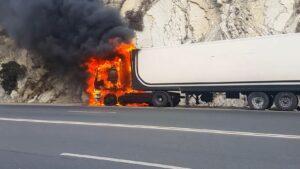


A pickup truck construction site accident in Charlotte routinely involves more potential defendants than victims initially realize. Specifically, the truck driver, the driver’s employer, the general contractor running the site, the property owner, and other subcontractors may all share liability. Furthermore, when a worker is injured by a contractor pickup, the case typically combines a workers’ compensation claim with separate third-party claims against multiple defendants. As a result, the recovery picture often exceeds what victims expect when they first consider the case.
Here’s how these crashes happen, who pays, and what makes Charlotte construction site pickup cases legally complex.
Why the Pickup Truck Construction Site Accident Rate Stays Elevated
Construction sites concentrate pickup truck activity in ways that ordinary commercial environments don’t. Critically, several factors drive elevated crash rates:
- Multiple subcontractors operating pickups simultaneously in tight spaces
- Heavy materials and tools loaded in truck beds creating shifting hazards
- Trailers attached to pickups doubling the effective vehicle length
- Workers on foot constantly moving between vehicles and work areas
- Backing maneuvers required throughout normal operations
- Time pressure pushing drivers to skip safety practices
- Drivers entering and exiting busy public roads at site access points
Furthermore, Charlotte’s construction boom has multiplied these risk factors across hundreds of active sites. Indeed, the metro currently hosts more concurrent construction projects than at any point in its history.

Speak with a Charlotte car accident lawyer and get a free consultation today.
Call (980) 246-2656The Worker Injury Picture
Workers injured by pickup trucks on Charlotte construction sites face a layered legal landscape. Specifically, workers’ compensation and third-party negligence claims operate in parallel rather than as alternatives.
The Workers’ Compensation Layer
North Carolina workers’ compensation provides medical care and lost-wage benefits without requiring proof of fault. As a result, injured workers receive guaranteed benefits regardless of who caused the crash. However, workers’ compensation benefits typically cover only a fraction of the worker’s actual losses. Specifically, the benefits exclude pain and suffering, full lost wage recovery, and loss of life enjoyment.
The Third-Party Negligence Layer
Workers injured by parties other than their employer can pursue separate civil claims. Critically, this third-party path opens substantial additional recovery when applicable. For example, a worker employed by Subcontractor A who gets struck by a pickup operated by Subcontractor B can pursue:
- Workers’ compensation through Subcontractor A’s insurance
- Civil negligence claims against the pickup driver
- Civil claims against Subcontractor B as the driver’s employer
- Possible claims against the general contractor for site management
- Possible claims against the property owner
Furthermore, third-party recoveries do not displace workers’ compensation benefits — though workers’ compensation insurers have subrogation rights to recover what they paid.
The Bystander Injury Picture
Non-workers injured at or near construction sites face simpler legal analysis but still benefit from the multi-defendant structure. Specifically, bystander cases proceed entirely under civil negligence law without workers’ compensation complications.
Common bystander injury scenarios include:
- Pedestrians struck by pickups entering or exiting site access points
- Motorists crashed into by pickups pulling out of construction zones
- Cyclists hit by pickups making turns near sites
- Drivers struck by materials falling from pickup beds
- Vehicles damaged by trailers separating from pickup tow hitches
- Children struck near residential construction sites

The Common Crash Patterns at Charlotte Construction Sites
Pickup truck construction site crashes recur in predictable scenarios:
Backing Crashes Within Site Boundaries
During normal construction operations, pickup trucks back constantly. As a result, workers on foot face frequent strike risk. Furthermore, the elevated noise levels at construction sites often mask the audible backup warnings that pickups produce.
Site Access Point Crashes
Construction site entrances and exits create predictable conflict points with public road traffic. Specifically, pickups pulling out across traffic flows generate frequent crashes — particularly during morning and evening shift changes when site traffic volumes peak. Indeed, NCDOT data shows recurring crash concentrations at access points to major Charlotte construction zones.
Materials and Equipment Loss
Materials falling from pickup beds and equipment escaping from trailers cause crashes on the public roads adjacent to construction sites. Notably, lumber, tools, ladders, and construction debris striking following vehicles produce a substantial share of construction-related crash injuries.
Trailer Separation Incidents
Pickups towing trailers face specific risks when trailers separate from tow hitches. Critically, trailer separation crashes often produce catastrophic results because the trailer becomes uncontrolled mass moving at highway speed. Furthermore, improper hitching, worn safety chains, and overloaded trailers all contribute to separation incidents.
Worker Injury During Pickup Operations
Workers helping unload pickups, positioning materials, or assisting drivers face injury when drivers fail to communicate movements. Specifically, sudden vehicle movements, miscommunicated signals, and equipment falls during unloading all generate injury claims.
The Major Charlotte Construction Corridors
Several Charlotte areas concentrate construction pickup activity:
- The I-485 widening corridor across multiple segments
- The LYNX Silver Line light rail construction zones
- South End and NoDa apartment and condo development
- University City commercial and residential expansion
- The Steele Creek industrial development zone
- Ballantyne ongoing expansion and infill construction
- Charlotte Douglas International Airport expansion
- Uptown commercial high-rise construction sites
Furthermore, these corridors generate pickup traffic at all hours. Indeed, supplier deliveries often begin before dawn while supervisor visits and inspections continue into evening hours.
The Evidence Sources in Construction Site Pickup Cases
Construction site crashes generate substantial evidence requiring prompt preservation:
- Site surveillance cameras covering entrances, work areas, and storage zones
- The pickup’s onboard cameras and telematics
- NCDOT IMAP cameras on adjacent freeway corridors
- The GC’s daily logs documenting site conditions
- Worker training records relevant to the operation that produced the crash
- Equipment inspection and maintenance records
- OSHA investigation records when worker injury was involved
- Photographs from workers, supervisors, and first responders
Critically, much of this evidence has short retention windows. Furthermore, OSHA investigations move quickly and produce records that become valuable in civil cases.
What This Means for Your Charlotte Truck Accident Case
If a pickup truck on a Charlotte construction site injured you or a family member, the case typically reaches multiple defendants and significant coverage. However, building the broader case requires immediate investigation of the site operations, the workers’ compensation claim coordination when applicable, and preservation of the available evidence. Indeed, the difference between a worker’s compensation-only recovery and a substantial third-party recovery often comes down to how quickly experienced counsel gets involved.
Talk to a Charlotte Truck Accident Lawyer Today
Shane Smith Law handles construction site pickup truck cases throughout Charlotte. We coordinate workers’ compensation and third-party claims, identify every potential defendant, and pursue the multiple coverage sources these cases typically involve.
The consultation is free. We work on contingency — no fee unless we win.
Call (980) 246-2656 today. Or learn more on our Charlotte truck accident lawyer page.