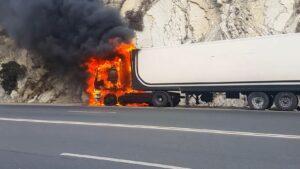


The SouthPark Mall delivery truck accident pattern reflects Charlotte’s most concentrated commercial vehicle traffic outside the interstate corridors. Specifically, Sharon Road, Fairview Road, Carnegie Boulevard, and the connecting streets handle daily delivery volumes that rival entire smaller cities. Furthermore, the area combines luxury retail, dense residential, premium office space, and high-volume restaurants — all of which generate continuous commercial vehicle activity. As a result, the SouthPark district produces a distinct crash profile that experienced Charlotte truck accident attorneys see repeatedly.
Here’s why the SouthPark area generates so many delivery vehicle crashes and what makes these cases legally distinct.
Why the SouthPark Mall Delivery Truck Accident Volume Stays So High
SouthPark serves as Charlotte’s premier upscale shopping district. Critically, that status creates traffic patterns that magnify commercial vehicle crash risks.
Several factors drive the elevated crash volume:
- The mall itself attracts daily delivery to over 150 retail tenants
- Surrounding office towers along Fairview Road generate constant courier and delivery activity
- Premium residential towers create heavy package delivery volume to specific addresses
- Hotel operations on Carnegie Boulevard add tour bus, shuttle, and service traffic
- Restaurant density along Sharon Road generates continuous food delivery activity
- Construction projects throughout the corridor add dump truck and contractor traffic
Notably, the SouthPark area packs all of this activity into a relatively small geographic footprint. Furthermore, the surrounding street grid wasn’t designed for current commercial vehicle volumes.

Speak with a Charlotte car accident lawyer and get a free consultation today.
Call (980) 246-2656The Specific Crash Hotspots
SouthPark area crashes concentrate at predictable points. Critically, the same intersections and corridors appear in crash reports year after year.
Sharon Road and Morrison Boulevard
This intersection sees enormous commercial vehicle volumes. Specifically, deliveries to the Specialty Shops at SouthPark, restaurant resupply, and through-traffic from the I-485 corridor all converge here. As a result, the intersection produces a steady stream of commercial vehicle crashes — particularly during peak meal-delivery periods.
Fairview Road Office Corridor
The Fairview Road stretch between Sharon Road and Carmel Road hosts dense office space, restaurants, and service businesses. Furthermore, the corridor produces frequent rear-end crashes when delivery drivers stop suddenly to find addresses. Indeed, the mix of pedestrian activity, parking-lot access points, and through-traffic generates conflict points along the entire corridor.
Mall Ring Road and Parking Decks
The internal road system around SouthPark Mall itself sees concentrated truck activity. Specifically, the loading dock entrances, parking deck access points, and ring road combine to channel delivery vehicles into tight spaces shared with shoppers. Notably, parking deck crashes involving box trucks, commercial vans, and service vehicles happen with notable frequency.
Carnegie Boulevard Hotel and Apartment Zone
Carnegie Boulevard hosts hotels, apartment buildings, and ground-floor retail. As a result, the corridor generates heavy delivery activity to multiple destination types simultaneously. Furthermore, valet operations, ride-share staging, and delivery driver curbside parking all create conflict points throughout the day.
Sharon Road and Fairview Road Intersection
This major SouthPark intersection handles enormous commercial volumes alongside passenger traffic. Specifically, the intersection’s geometry combined with delivery driver familiarity issues produces frequent sideswipe and angle-impact crashes.
The Vehicle Types Involved in SouthPark Crashes
SouthPark area commercial vehicle crashes involve a diverse mix of truck types:
- UPS, FedEx, and Amazon delivery vans handling residential and commercial packages
- USPS mail trucks on standard delivery routes
- Food delivery vehicles (DoorDash, Uber Eats, Grubhub, Instacart)
- Restaurant supply trucks (Sysco, US Foods, Performance Food Group)
- Retail freight trucks delivering to mall tenants
- Beverage distribution trucks (Coca-Cola, Pepsi, beer distributors)
- Service contractor vehicles (HVAC, plumbing, electrical, cleaning services)
- Hotel laundry and supply trucks
- Landscape and pool service vehicles for surrounding apartments and residences
Furthermore, each vehicle type generates distinct crash patterns. Indeed, restaurant supply trucks produce different crash profiles than residential package delivery vans.

The Peak-Period Crash Concentration
SouthPark commercial vehicle crashes concentrate at predictable times. Specifically, several peak periods generate elevated risk:
Morning Restaurant Resupply (5:00–10:00 AM)
Restaurant supply trucks deliver before opening hours. As a result, the early morning window concentrates large commercial vehicle activity around restaurants throughout the area. Furthermore, drivers operating before normal business hours may face fatigue from overnight runs.
Lunch Delivery Surge (11:00 AM–2:00 PM)
Food delivery activity peaks during lunch hours. Notably, the office density in the corridor generates concentrated food delivery volume into specific buildings. Indeed, drivers under time pressure to meet delivery promises create rushed maneuver patterns.
Afternoon Package Delivery (2:00–6:00 PM)
UPS, FedEx, and Amazon residential delivery activity concentrates in the afternoon hours. Critically, this window coincides with school dismissal and emerging commuter traffic, multiplying conflict points.
Holiday Season Surge
From Black Friday through Christmas, SouthPark area commercial vehicle volumes spike dramatically. Furthermore, the December delivery window generates seasonal hiring of less-experienced drivers operating in the busiest retail environment in the city.
The Liability Picture in SouthPark Cases
SouthPark area crashes often involve multiple commercial defendants and substantial insurance coverage. Specifically, the major carriers operating in the area carry significant liability policies. Furthermore, property owners along the corridor maintain general liability coverage that may apply to crashes connected to property conditions.
Common defendant combinations include:
- The driver and their direct employer
- The carrier or principal company behind the driver
- The property owner where the crash occurred
- The property manager responsible for traffic flow
- Vehicle leasing companies when applicable
- Maintenance contractors when vehicle condition contributed
What This Means for Your Charlotte Truck Accident Case
If a commercial vehicle caused your crash in the SouthPark area, the case typically reaches multiple defendants and substantial insurance coverage. However, building the broader case requires immediate investigation, prompt evidence preservation, and specific experience with Charlotte’s commercial corridor operations.
Talk to a Charlotte Truck Accident Lawyer Today
Shane Smith Law handles SouthPark area commercial vehicle cases throughout the year. We know the recurring crash patterns, the available evidence sources, and the legal theories that fit each scenario.
The consultation is free. We work on contingency — no fee unless we win.
Call (980) 246-2656 today. Or learn more on our Charlotte truck accident lawyer page.