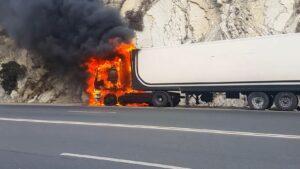


A box truck blind spot accident in Charlotte often catches victims completely off guard. Specifically, the drivers operating these trucks frequently lack the commercial training that CDL holders receive. Furthermore, box trucks have massive blind zones that hide passenger cars, motorcycles, and pedestrians from the driver’s view. As a result, lane-change sideswipes, right-turn squeezes, and backing pedestrian strikes happen at rates that surprise victims and their families. Critically, these crashes produce serious injuries because box trucks weigh several times more than passenger vehicles.
Here’s why box truck blind spots create so much risk and what makes these cases legally distinct.
What Makes Box Trucks Different from Other Commercial Vehicles
Box trucks occupy a specific category in commercial vehicle classification. Specifically, these are straight trucks with enclosed cargo boxes, typically ranging from 16 to 26 feet in length. Furthermore, box trucks under 26,001 pounds gross vehicle weight don’t require commercial driver’s licenses to operate. As a result, the operator pool combines experienced commercial drivers with relatively untrained operators using these trucks for small business deliveries, residential moves, and rental purposes.
Key box truck operator categories include:
- Small commercial delivery operations serving local businesses
- Rental customers moving households (U-Haul, Penske, Budget, Ryder)
- Independent contractors making deliveries for larger carriers
- Service businesses transporting equipment and materials
- Catering and event service vehicles
- Mobile retail and food vendor operations
Notably, the training and experience levels across these operator categories vary enormously. Indeed, the same vehicle class includes both seasoned commercial drivers and weekend renters operating their first commercial-sized vehicle.

Speak with a Charlotte car accident lawyer and get a free consultation today.
Call (980) 246-2656The Box Truck Blind Spot Accident Pattern
Box trucks generate distinctive blind-spot crash patterns. Critically, the box body design eliminates the rear-window visibility that other vehicles provide.
The Rear Blind Zone
The cargo box completely blocks the driver’s view directly behind the vehicle. Specifically, the only rear visibility comes through side mirrors — which cannot show the area immediately behind the truck. Furthermore, backup cameras (when installed) often have limited fields of view. As a result, anything immediately behind the truck remains invisible to the driver.
The Right-Side Blind Zone
Box trucks have massive blind zones on the right side. Specifically, the cargo body’s height and width combined with the driver’s seat position eliminate visibility for most of the vehicle’s right side. Notably, this blind zone produces right-turn crashes when motorcycles or bicycles travel parallel to the truck’s right side.
The Front Blind Zone
The truck’s elevated cab creates a forward blind zone immediately ahead of the vehicle. Furthermore, this zone can extend 15 to 20 feet ahead of the bumper depending on the specific truck. As a result, a small child standing directly in front of the truck disappears entirely from the driver’s view.
The Left Blind Zone
While smaller than the right-side blind zone, the left side still contains a significant zone behind the driver’s door where adjacent vehicles disappear. Indeed, lane-change crashes on the left side happen with notable frequency in highway environments.
The Specific Crash Scenarios That Recur
Box truck blind-spot crashes follow recurring patterns in Charlotte:
Right-Turn Squeezes
When making right turns, box trucks swing wide to clear curbs and obstacles. Critically, vehicles traveling parallel to the truck on the right side get squeezed against the curb during the turn. Furthermore, motorcycles, bicycles, and small cars are particularly vulnerable. Indeed, this crash pattern produces severe injuries because the trapped vehicle has nowhere to escape.
Lane-Change Sideswipes
Box trucks changing lanes on Charlotte interstates frequently strike vehicles in the adjacent lane. Specifically, the lane the driver is moving into may contain a vehicle entirely hidden in the right-side blind zone. As a result, sideswipe crashes generate steady volumes on I-77, I-85, and I-485.
Backing Pedestrian Strikes
Backing crashes account for a major share of box truck pedestrian incidents. Furthermore, the elimination of rear visibility means pedestrians directly behind the truck face severe injury risk. Notably, these crashes happen at loading docks, residential moves, and delivery destinations throughout Charlotte.
Merge Crashes
Box trucks merging onto Charlotte freeways often misjudge the speed and position of through-traffic. Indeed, freeway entry ramps generate frequent box truck merge crashes — particularly on the I-77 and I-485 corridors where ramp geometry combines with heavy traffic.

The Training Gap in Box Truck Operations
Box truck drivers without CDL training often miss safety practices that commercial drivers receive in formal training. Specifically, the training gap shows up in:
- Awareness of vehicle blind spots and how to compensate
- Proper mirror adjustment and continuous use
- Following distance calculations for heavier vehicles
- Backing procedures including spotter use
- Cargo securement and weight distribution
- Defensive driving techniques for blind-spot-heavy vehicles
Furthermore, this training gap creates negligence theories that experienced attorneys exploit in box truck cases. Indeed, when an inadequately trained operator causes a crash, the employer who put that operator behind the wheel faces direct negligence liability.
The Insurance Picture in Box Truck Cases
Coverage in box truck crashes depends on who operated the vehicle and why. Specifically, several coverage sources may apply:
Commercial Operator Cases
When a business operated the box truck for commercial purposes, the business typically carries commercial auto insurance. Furthermore, commercial policies generally provide $1 million in liability coverage. As a result, serious injury cases typically have adequate primary coverage.
Rental Truck Cases
Rental truck operators face a different coverage picture. Specifically, the Graves Amendment limits rental company liability, leaving the renter’s personal coverage and supplemental products as primary sources. For more on rental truck coverage, see our analysis of U-Haul and rental truck crashes in Charlotte.
Independent Contractor Cases
Box trucks operated by independent contractors raise the same contractor-defense issues that other delivery operations create. Notably, joint employment and apparent agency theories often reach back to the principal company that put the contractor on the road.
Evidence Sources in Box Truck Crashes
Box truck crashes generate several evidence sources:
- Dashcam footage when installed
- Backup cameras and their recorded output
- Telematics data from carrier-installed devices
- GPS tracking records
- The driver’s training file and qualification records
- The vehicle’s maintenance and inspection history
- Surveillance footage from adjacent properties
- Other vehicle dashcam footage capturing the crash
What This Means for Your Charlotte Truck Accident Case
If a box truck caused your Charlotte crash, the case likely involves blind-spot negligence, training deficiencies, or both. Furthermore, identifying whether the driver was operating commercially, as a rental customer, or as an independent contractor determines the entire coverage analysis. However, building the case requires immediate investigation of the operator’s training, the truck’s safety equipment, and the available crash evidence.
Talk to a Charlotte Truck Accident Lawyer Today
Shane Smith Law handles box truck crashes involving commercial operators, rental customers, and independent contractors. We know how to investigate blind-spot evidence, training deficiencies, and the layered coverage these cases typically involve.
The consultation is free. We work on contingency — no fee unless we win.
Call (980) 246-2656 today. Or learn more on our Charlotte truck accident lawyer page.