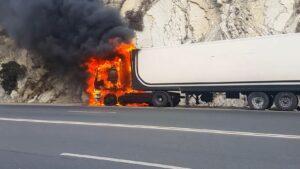


Cargo loader liability trucking accident claims target a defendant most injured victims never realize exists. After a Charlotte 18-wheeler crash, fault investigation typically focuses on the driver and the carrier. However, when the crash involved a load that shifted, fell, or was improperly distributed, the company that loaded the trailer may share legal responsibility — and may carry separate insurance coverage that adds to the recovery pool.
Here’s how cargo loader liability works, when it applies, and why this often-overlooked defendant matters in catastrophic Charlotte trucking cases.
Why Cargo Loader Liability Trucking Accident Cases Exist
Trucking is a multi-party operation. The driver operates the rig. Furthermore, the carrier owns or contracts the equipment and dispatches the loads. However, neither typically loads the cargo. Instead, separate companies — shippers, third-party loading services, warehouse operators — physically place and secure the freight before the driver pulls away.
Federal regulations assign responsibility for load securement to multiple parties. Specifically, both the carrier and the shipper share legal duties for ensuring the load is properly distributed, restrained, and within weight limits. As a result, when a load-related failure causes a crash, multiple defendants may face liability.

Speak with a Charlotte car accident lawyer and get a free consultation today.
Call (980) 246-2656What Cargo Loaders Are Supposed to Do
Federal Motor Carrier Safety Regulations (FMCSRs) govern how commercial loads must be secured. The rules cover several categories:
Weight Distribution
Loads must distribute weight properly across the trailer’s axles. Improper distribution can cause handling problems, brake failures, or tire blowouts. Specifically, axle weights cannot exceed federal limits, and the load’s center of gravity must remain within acceptable ranges.
Load Securement
Cargo must be restrained against forward, rearward, and lateral movement. Federal regulations specify minimum securement requirements based on the cargo type — straps, chains, dunnage, blocking, and bracing. As a result, loaders cannot simply throw freight in the trailer and close the doors.
Weight Limits
Federal law limits gross vehicle weight (typically 80,000 pounds for tractor-trailers without special permits). Furthermore, individual axle limits apply. Overloaded trailers handle differently, stop differently, and stress mechanical components beyond design specifications.
Cargo Compatibility
Certain cargo types cannot be loaded together. Hazmat regulations, food safety rules, and commercial standards all impose compatibility requirements. Indeed, a loader who places incompatible cargo together creates a separate category of risk.
When Cargo Loader Liability Trucking Accident Claims Apply
Several recurring fact patterns trigger cargo loader liability in Charlotte trucking cases:
Shifted Loads Causing Loss of Control
When cargo shifts during transport — particularly during cornering, braking, or lane changes — the trailer’s handling characteristics change suddenly. As a result, drivers can lose control and crash. The loader’s failure to properly secure the cargo becomes a central liability issue.
Falling Cargo Striking Other Vehicles
Cargo that falls from a trailer can strike following vehicles directly or create roadway hazards that cause secondary crashes. Furthermore, falling cargo cases often involve catastrophic injuries — a piece of unsecured equipment striking a windshield can be fatal.
Overloaded Trailer Causing Brake or Tire Failure
When trailer weight exceeds design limits, brakes wear out faster, tires overheat, and mechanical components fail. Specifically, overloading is a leading cause of brake fires and tire blowouts in commercial trucking.
Improper Center of Gravity Causing Rollover
When a load is stacked too high or distributed unevenly, the trailer’s center of gravity can rise above safe levels. As a result, the trailer becomes prone to rollover during normal cornering. Indeed, many highway-ramp rollovers trace back to improper loading rather than driver error.

How Lawyers Identify the Loader as a Defendant
Loader identification starts with the bill of lading and shipping documents. These records typically identify the shipper, the loading location, and any third-party loading services involved. Furthermore, depositions of the driver and dispatcher often reveal who actually placed the freight on the trailer.
Key evidence in cargo loader cases:
- Bills of lading showing the shipper and origin
- Loading dock surveillance footage when available
- Pre-trip inspection records noting load condition
- Photographs of cargo arrangement before departure
- Weight tickets from origin and destination scales
- Driver testimony about load condition at pickup
- Internal loading procedures and training documents
- Industry standards documentation for the cargo type
The Insurance Picture for Cargo Loaders
Cargo loaders typically carry commercial general liability (CGL) insurance separate from the trucking carrier’s policy. Furthermore, larger logistics operations carry significant umbrella coverage. As a result, adding the loader as a defendant can substantially expand the available recovery pool.
For catastrophically injured victims, this matters enormously. Specifically, a single trucking carrier’s $750,000 federal minimum policy may cover only a fraction of lifetime medical costs for a paraplegic or traumatic brain injury victim. Adding the cargo loader’s coverage can be the difference between underfunded medical care and lifetime financial security.
The Driver-vs-Loader Allocation Question
Federal regulations make the driver responsible for inspecting the load before departure. As a result, defense teams often argue that the driver’s failure to catch loading problems shifts responsibility back to the carrier — and away from the loader.
However, this argument has limits. Sealed trailers, drop-and-hook operations, and certain hazmat configurations don’t allow driver inspection of the cargo arrangement. Indeed, some load failures are simply not visible from outside the trailer. As a result, loader liability often survives the carrier’s effort to deflect responsibility.
What This Means for Your Charlotte Trucking Accident Case
If a load-related issue contributed to your trucking crash, the cargo loader may belong in your case as a separate defendant. Furthermore, identifying the right defendant early — before evidence disappears — is critical to preserving the claim.
However, cargo loader investigations require specific subpoenas, document analysis, and sometimes loading-industry expert witnesses. As a result, generic personal injury attorneys often miss this defendant entirely. Hiring counsel with deep trucking case experience matters.
For more on identifying every responsible party, see our blog post on freight broker liability in trucking accidents.
Talk to a Charlotte Trucking Accident Lawyer Today
Shane Smith Law investigates every potential defendant in catastrophic trucking cases — driver, carrier, broker, shipper, cargo loader, maintenance contractor, and parts manufacturer. We know how to find the loader’s role and develop the case against them.
The consultation is free. We work on contingency — no fee unless we win.
Call (980) 246-2656 today. Or learn more on our Charlotte trucking accident lawyer page.