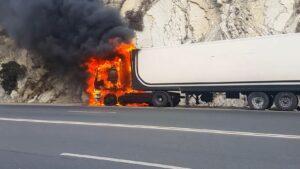


Charlotte distribution hub trucking traffic has transformed local roads over the past decade. Specifically, Amazon, FedEx, UPS, Walmart, and dozens of regional carriers have opened or expanded major facilities throughout Mecklenburg County. Furthermore, this growth shows no signs of slowing. As a result, commercial truck volumes on Charlotte’s interstates, surface streets, and neighborhood roads now exceed what local infrastructure was designed to handle.
Here’s how the distribution hub boom is reshaping Charlotte’s trucking accident landscape — and what it means for catastrophically injured victims.
What Made Charlotte a Distribution Hub
Charlotte’s geographic position drives the boom. Specifically, the metro sits within a one-day truck haul of more than 60% of the U.S. population. Furthermore, the intersection of I-77 and I-85 creates a freight corridor connecting the Northeast, Midwest, and Southeast simultaneously. Notably, Charlotte Douglas International Airport ranks among the nation’s busiest cargo airports, and the inland port at the Charlotte Intermodal Terminal connects rail freight to over-the-road trucking.
The result is rapid distribution-center construction across multiple corridors:
- Northeast Mecklenburg (US-29 / I-485 area)
- West Mecklenburg (Wilkinson Boulevard / I-85 corridor)
- Cabarrus County (Concord and Kannapolis along I-85)
- Union County (Monroe and Indian Trail along US-74)
- Gaston County (Gastonia and Belmont along I-85)

Speak with a Charlotte car accident lawyer and get a free consultation today.
Call (980) 246-2656How Charlotte Distribution Hub Trucking Patterns Differ
Distribution-center trucking operates differently from over-the-road freight. Specifically, distribution hubs generate constant short-haul traffic around their perimeter at all hours. Furthermore, the trucks involved range from full tractor-trailers to small box trucks operated by drivers without traditional commercial training.
Several patterns distinguish distribution-hub trucking from highway trucking:
24/7 Operations
Distribution centers run continuously. As a result, commercial truck traffic doesn’t follow commuter rhythms. Indeed, night-shift truck volumes near major hubs often exceed daytime volumes. Furthermore, fatigue patterns differ — drivers approaching the end of an overnight shift behave differently from drivers starting a daytime route.
Mixed Driver Experience
Distribution operations employ both traditional CDL holders and box-truck drivers without commercial licenses. Specifically, last-mile delivery routes increasingly use Class C drivers operating vehicles just under the CDL weight threshold. Notably, these drivers often lack the training that traditional truckers receive on cargo securement, defensive driving, and federal regulations.
Tight Time Pressure
E-commerce delivery promises create pressure that translates directly into operational risk. Furthermore, productivity metrics — packages per hour, stops per route, on-time delivery rates — push drivers past safe limits. As a result, drivers face economic pressure to skip pre-trip inspections, exceed posted speeds, and push through fatigue.
Route Density
Last-mile delivery routes concentrate commercial vehicle activity in residential neighborhoods. Specifically, multiple delivery vehicles from Amazon, UPS, FedEx, and food-delivery services cover the same streets simultaneously. As a result, neighborhood streets that were never designed for heavy commercial traffic now see dozens of commercial vehicles daily.
The Crash Patterns the Boom Has Produced
Distribution-hub growth has produced predictable changes in Charlotte trucking accident patterns. Notably, several crash types have surged:
- Backing crashes at distribution-center entrances and loading docks
- Pedestrian strikes by delivery vehicles in residential neighborhoods
- Parked-vehicle collisions during tight delivery maneuvers
- Driveway accidents involving residents pulling out as delivery vehicles pass
- Rear-end collisions when delivery drivers stop suddenly to make turns
- Sideswipes during aggressive lane changes on tight route schedules
Furthermore, the locations of serious trucking crashes have shifted. Indeed, what was once an interstate-corridor problem is now also a surface-street and residential-street problem.

Why Distribution-Hub Trucking Cases Are Legally Complex
Distribution-hub trucking crashes raise legal questions that traditional over-the-road cases don’t always present. Specifically, identifying the right defendants takes substantially more investigation than a typical 18-wheeler case.
Independent Contractor Layers
Many delivery operations use multiple layers of independent contractors. For example, Amazon’s Delivery Service Partner (DSP) program contracts with third-party companies who employ the actual drivers. As a result, holding Amazon liable for a delivery driver’s crash requires defeating the contractor defense at multiple levels.
Vehicle Ownership Questions
Distribution-hub vehicles may be owned by the carrier, by a contractor, by the driver personally, or by a leasing company. Furthermore, branding doesn’t always match ownership — an Amazon-branded van may belong to a third-party contractor. As a result, insurance coverage analysis becomes far more complex.
Multiple Insurance Layers
Distribution-hub crashes often involve several insurance policies stacking together. Specifically, the driver’s personal policy, the contractor’s commercial policy, the leasing company’s coverage, and the principal carrier’s umbrella policy may all apply. Notably, sorting through these layers takes specific experience.
Productivity Pressure Evidence
Cases involving distribution-hub drivers often require investigating the productivity systems that pressured the driver. Specifically, route timing data, package volume requirements, and disciplinary records for missed metrics can establish corporate-level negligence beyond the individual driver’s actions.
The Hidden Defendants in Charlotte Distribution Hub Trucking Cases
Beyond the obvious driver and carrier, distribution-hub crashes can involve several additional potential defendants. Critically, identifying every responsible party is what separates a settlement that covers your medical bills from a recovery that funds your full lifetime needs.
Potential defendants include:
- The driver’s direct employer (often a third-party contractor)
- The principal carrier whose brand appears on the vehicle
- The vehicle leasing company
- The route-optimization software company when algorithm decisions caused unsafe driving
- The distribution-center operator when facility conditions contributed
- The vehicle manufacturer when defects caused or contributed to the crash
For more on identifying every defendant in trucking cases, see our analysis of suing the freight broker after a Charlotte trucking accident.
What This Means for Your Charlotte Trucking Accident Case
If a distribution-hub vehicle caused your Charlotte crash, the case may reach far beyond the individual driver. Furthermore, the corporate practices, technology systems, and contractor relationships that shaped the driver’s behavior often establish substantial additional liability. However, building that broader case requires specific experience with distribution-hub trucking operations.
Talk to a Charlotte Trucking Accident Lawyer Today
Shane Smith Law has handled trucking cases involving every major distribution-hub operator in Charlotte. We know how to investigate the contractor layers, identify the corporate defendants, and pursue the productivity-pressure evidence.
The consultation is free. We work on contingency — no fee unless we win.
Call (980) 246-2656 today. Or learn more on our Charlotte trucking accident lawyer page.