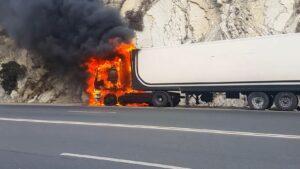


Punitive damages DUI trucking NC rules give catastrophically injured crash victims a powerful recovery tool that few other Charlotte personal injury cases offer. Specifically, North Carolina generally caps punitive damages at $250,000 or three times compensatory damages — whichever is greater. However, that cap disappears entirely in DUI cases. As a result, a drunk-driving 18-wheeler crash can support punitive awards limited only by the jury’s findings of egregious conduct.
Here’s how the NC punitive damages cap actually works, why DUI cases bypass it, and what this rule means for victims of impaired-driving trucking crashes in Charlotte.
How NC’s General Punitive Damages Cap Works
North Carolina General Statute § 1D-25 establishes a default cap on punitive damages. Specifically, the statute limits punitive awards to the greater of three times compensatory damages or $250,000. As a result, in most NC personal injury cases, punitive damages can never exceed three times the compensatory amount — no matter how outrageous the defendant’s conduct.
This cap applies broadly. Indeed, it covers most types of cases where punitive damages might otherwise apply:
- Product liability cases
- Negligent infliction of emotional distress claims
- Premises liability cases
- Standard motor vehicle accident cases (without DUI)
- Medical malpractice cases
- Most commercial trucking cases
The cap exists because legislators feared runaway punitive awards. Furthermore, defense industry lobbying pushed for the limit in the 1990s. However, the cap left one specific exception that becomes critical in serious Charlotte trucking cases.

Speak with a Charlotte car accident lawyer and get a free consultation today.
Call (980) 246-2656The DUI Exception in Punitive Damages DUI Trucking NC Cases
NC General Statute § 1D-26 carves out a specific exception for DUI cases. Specifically, the statute provides that the punitive damages cap “does not apply to a civil action where the defendant was convicted of driving while impaired under G.S. 20-138.1 or G.S. 20-138.2, which proximately caused the injury.”
The exception’s effects are substantial:
- The $250,000 / 3x compensatory cap disappears entirely
- Juries can award whatever punitive amount they find appropriate
- Awards limited only by constitutional due process review
- Specific deterrence becomes the primary measure
As a result, Charlotte trucking cases involving impaired commercial drivers can produce punitive recoveries that would be impossible in ordinary tort cases. Indeed, juries in similar cases nationwide have awarded punitive damages reaching seven and eight figures.
What Counts as DUI for Commercial Drivers
Commercial truck drivers face stricter impairment standards than ordinary motorists. Specifically, the threshold for commercial DUI differs from the standard 0.08% BAC rule.
The 0.04% Commercial Threshold
Under NC law and federal regulation, commercial drivers operating commercial vehicles are legally impaired at 0.04% blood alcohol concentration — half the threshold for ordinary drivers. As a result, a trucker who would be legal to drive a passenger car may still face DUI charges when operating an 18-wheeler.
Drug-Related DUI
DUI charges aren’t limited to alcohol. Furthermore, impairment by drugs — illegal substances, prescription medications, or over-the-counter products — can support DUI prosecution. Indeed, federal post-accident drug testing of commercial drivers specifically screens for substances that can support DUI charges.
Refusal as Per Se Impairment
Drivers who refuse breath or blood testing after a crash face automatic license consequences. Specifically, NC’s implied consent law treats refusal as evidence of impairment for license-suspension purposes. As a result, refusal evidence can support both license penalties and civil punitive damages claims.

How DUI Convictions Affect Charlotte Trucking Cases
The statute specifically references criminal DUI conviction. Importantly, conviction matters for the punitive cap exception:
Conviction Triggers the Exception
When the trucker is convicted of DUI causing the crash, the cap disappears automatically. Furthermore, the criminal conviction creates collateral estoppel — the civil case can rely on the conviction without re-litigating impairment.
Plea Bargains and Reduced Charges
Sometimes prosecutors plea-bargain DUI charges down to reckless driving or careless driving. As a result, the exception’s application becomes more complex. However, even without DUI conviction, evidence of impairment can support standard gross negligence findings (cap-protected punitive damages).
Federal Prosecutions
Interstate trucking incidents sometimes produce federal rather than state prosecutions. Specifically, federal DUI charges under different statutes may not trigger the NC cap exception directly. Notably, this creates strategic complexity that experienced attorneys handle differently than ordinary cases.
The Multi-Defendant Effect of DUI Punitive Damages
Punitive damages in NC trucking cases don’t reach only the driver. Specifically, when the carrier knew or should have known about the driver’s substance abuse problems, direct carrier liability can produce additional punitive exposure. Furthermore, federal regulations require carriers to maintain rigorous testing and Clearinghouse compliance.
Common scenarios producing carrier-level punitive exposure:
- Hiring drivers with documented DUI history
- Failing to query the FMCSA Clearinghouse before hiring
- Ignoring positive test results or refusals
- Failing to conduct required post-accident testing
- Returning drivers to duty without proper substance-abuse evaluation
- Maintaining systemic patterns of testing non-compliance
As a result, DUI trucking cases often produce punitive recoveries against both the driver and the carrier. Indeed, the carrier’s exposure can substantially exceed the driver’s because of corporate assets and systematic failures.
Evidence That Supports Punitive Damages DUI Trucking NC Claims
Building DUI-related punitive damages cases requires specific evidence categories. Importantly, much of this evidence has limited preservation windows.
Criminal Case Records
The criminal DUI prosecution produces records — citations, arrest reports, breath/blood test results, conviction documentation, and probation records. Furthermore, these records become subject to subpoena and discovery in the civil case.
Post-Accident Test Results
Federal post-accident drug and alcohol testing produces direct impairment evidence. As a result, even when criminal prosecution doesn’t result in conviction, civil testing evidence can support punitive damages findings.
Prior Driver History
The driver’s prior DUI convictions, Clearinghouse hits, and substance-abuse evaluations all become relevant. Indeed, prior history supports carrier-level claims about hiring and retention negligence.
Carrier Records
The carrier’s testing protocols, training records, supervisory documentation, and prior incident reports all become discoverable. Specifically, when the carrier had notice of substance abuse issues and failed to act, the records establish direct corporate culpability.
For more on how impairment evidence builds catastrophic trucking cases, see our blog post on drug and alcohol testing after a Charlotte semi-truck crash.
What This Means for Your Charlotte Trucking Accident Case
If a drunk or drugged commercial driver caused your Charlotte crash, NC law allows recovery that ordinary tort cases would never support. Furthermore, the punitive cap exception transforms what’s possible at trial and at settlement. However, building these cases requires specific trucking and DUI evidence development. As a result, hiring counsel with deep experience in impaired-driving trucking cases matters substantially.
Talk to a Charlotte Trucking Accident Lawyer Today
Shane Smith Law has handled catastrophic trucking cases involving impaired commercial drivers. We know how to build the punitive damages record and how to pursue both driver-level and carrier-level liability.
The consultation is free. We work on contingency — no fee unless we win.
Call (980) 246-2656 today. Or learn more on our Charlotte trucking accident lawyer page.