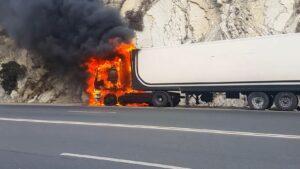


A parking lot truck accident Charlotte victims face follows legal rules unlike crashes on public roads. Specifically, traffic laws governing right-of-way, speed limits, and signal control don’t apply in private parking lots the same way they do on streets. Furthermore, both vehicles often share some degree of fault under contributory negligence analysis. As a result, parking lot truck crashes require specific evidence preservation and liability theories that ordinary road-crash cases don’t demand.
Here’s why these crashes happen, why they hurt people more often than victims expect, and what makes them legally distinct in North Carolina.
Why Charlotte Parking Lot Truck Crashes Happen Constantly
Commercial trucks operate in parking lots throughout Charlotte every day. Specifically, delivery vehicles, contractor pickups, service vans, and tow trucks all maneuver in spaces designed primarily for passenger cars. Furthermore, parking lot operation forces trucks into tight backing maneuvers, blind-spot dependent navigation, and pedestrian-heavy areas. As a result, the crash rate per operating hour in parking lots exceeds what road conditions produce.
Several factors compound parking lot risk:
- Tight spacing designed for cars, not commercial vehicles
- Pedestrians moving unpredictably between rows
- Shopping carts, debris, and curb hazards
- Drivers focused on parking spots rather than surrounding traffic
- Limited sightlines around parked vehicles, dumpsters, and landscaping
- Drivers exiting stores with hands and arms full

Speak with a Charlotte car accident lawyer and get a free consultation today.
Call (980) 246-2656The Liability Picture in Parking Lot Truck Accident Charlotte Cases
Parking lot crashes raise liability questions that road crashes don’t. Critically, the legal analysis depends on several factors that don’t apply on public roads.
Traffic Law Limitations
North Carolina traffic laws apply primarily to public roads. Specifically, parking lots are private property where traffic rules apply only by implication or by signage the property owner posts. As a result, citations issued at parking lot crashes carry less evidentiary weight than citations issued on the road. Furthermore, “right of way” in parking lots follows custom rather than statute — which gives defense attorneys more room to argue shared fault.
Contributory Negligence Risk
North Carolina’s pure contributory negligence rule remains in full force in parking lot crashes. Specifically, if a jury finds the victim even 1% at fault, recovery can be barred entirely. Furthermore, defense attorneys routinely argue that pedestrians and other drivers failed to keep proper lookout in parking lot crashes. As a result, contributory negligence becomes a more aggressive defense in parking lot cases than in clear-fault road crashes. For more on this defense, see our analysis of how NC’s contributory negligence rule threatens your trucking accident case.
Premises Liability Overlay
Parking lots are owned by someone — typically a shopping center, retailer, apartment complex, or office property. Critically, the property owner has legal duties to maintain the lot safely. As a result, premises liability claims may attach to the property owner when:
- Inadequate lighting contributed to the crash
- Poor lot design created blind corners or unsafe traffic patterns
- Failure to maintain traffic signage caused confusion
- Known safety hazards went uncorrected
- Inadequate pedestrian protections existed in commercial vehicle areas
Common Charlotte Parking Lot Crash Locations
Certain Charlotte retail and commercial locations generate disproportionate parking lot truck crashes. Notably, the highest-risk locations combine heavy delivery activity with dense pedestrian traffic.
Recurring high-volume locations include:
- SouthPark Mall and the surrounding Sharon Road retail corridor
- Northlake Mall and adjacent University City retail
- Concord Mills and the Bruton Smith Boulevard outlet stretch
- Carolina Place Mall in Pineville
- Pineville-Matthews Road shopping centers
- Park Road Shopping Center
- The Promenade on Providence
- Apartment complex parking lots throughout the metro
- Office park parking lots in Ballantyne and University Research Park
Furthermore, holiday shopping periods generate concentrated parking lot crash volumes. Indeed, Black Friday weekend, December delivery surges, and end-of-month commercial activity all spike parking lot incidents.

The Crash Patterns That Recur
Parking lot truck crashes follow predictable scenarios. Specifically, the operational pattern of commercial trucks in parking environments produces recurring crash types:
Backing Strikes
Backing accounts for the largest single category of parking lot truck crashes. Furthermore, delivery vehicles, dump trucks, and service vans all back regularly during normal operations. As a result, pedestrians and parked vehicles get struck at high frequency.
Pedestrian Strikes During Approach
Pedestrians walking between parked cars often emerge directly into the path of moving commercial vehicles. Critically, the truck driver’s elevated position and forward blind spot frequently hide pedestrians until contact is unavoidable.
Shopping Cart-Related Crashes
Shoppers loading purchases into vehicles, returning carts, and navigating around parked vehicles create frequent conflict points with commercial trucks. Notably, parents loading children into car seats often have divided attention exactly when commercial vehicles maneuver nearby.
Loading Dock and Service Bay Crashes
Many parking lots include loading docks or service bays where commercial vehicles park, load, and unload. Specifically, the transition between these operational areas and customer parking generates frequent crashes — particularly when delivery drivers misjudge clearances or pull out without confirming the path is clear.
Evidence Sources in Parking Lot Truck Crashes
Parking lot crashes generate evidence sources that road crashes don’t always produce. Specifically:
- Property surveillance camera systems covering parking areas
- Retail security footage from store entrances
- ATM and bank camera footage when applicable
- Dashcam footage from nearby vehicles
- Cell phone video from witnesses
- The property’s incident log of prior crashes in the same lot
- The truck’s onboard cameras and telematics
Critically, property surveillance footage often has very short retention windows. Furthermore, retail managers may overwrite recordings within days unless preservation requests arrive promptly. For more on evidence preservation, see our guide on why a spoliation letter is the single most urgent action after a Charlotte trucking accident.
What This Means for Your Charlotte Truck Accident Case
If a commercial truck struck you, your vehicle, or a family member in a Charlotte parking lot, the case requires immediate investigation. Specifically, the surveillance evidence needs preservation within days, the property owner’s role needs evaluation alongside the truck driver’s, and the contributory negligence defense needs anticipating from day one. However, properly investigated parking lot cases produce real recoveries despite their legal complexity.
Talk to a Charlotte Truck Accident Lawyer Today
Shane Smith Law handles parking lot truck crashes throughout Charlotte. We know how to preserve surveillance evidence, evaluate premises liability claims, and defeat the contributory negligence arguments these cases routinely involve.
The consultation is free. We work on contingency — no fee unless we win.
Call (980) 246-2656 today. Or learn more on our Charlotte truck accident lawyer page.