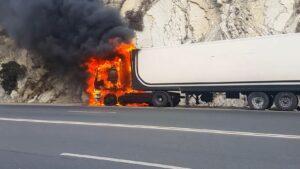


Brake failure trucking accident liability rarely points at just one defendant. After a catastrophic Charlotte 18-wheeler crash involving brake failure, multiple parties may share legal responsibility the driver who missed warning signs, the carrier whose maintenance schedule was inadequate, the maintenance contractor who performed the work, and sometimes the parts manufacturer whose components failed. Furthermore, the maintenance records that establish responsibility often reveal patterns the carrier would prefer to keep hidden.
Here’s how brake failures actually happen, why maintenance records become critical evidence, and how Charlotte trucking accident lawyers identify every responsible party.
Why Commercial Truck Brake Failure Trucking Accident Liability Matters
Commercial truck braking systems are far more complex than passenger car brakes. Specifically, an 80,000-pound rig relies on:
- Air brake systems requiring continuous compressor pressure
- Multiple brake chambers across tractor and trailer axles
- Slack adjusters that maintain proper brake travel
- Anti-lock braking systems (ABS) on most newer rigs
- Automatic emergency braking on advanced equipment
Each component represents a potential failure point. Furthermore, federal regulations require detailed inspection and maintenance protocols for every part of the system. As a result, when brake failure causes a crash, the question is rarely whether maintenance failures contributed it’s identifying which failures and whose responsibility they were.

Speak with a Charlotte car accident lawyer and get a free consultation today.
Call (980) 246-2656Common Causes of Commercial Brake Failures
Several recurring patterns produce brake failures in Charlotte trucking crashes. Notably, almost all of them involve preventable maintenance issues.
Brake Adjustment Failures
Air brakes require periodic adjustment to maintain proper travel. As stroke length increases beyond specifications, braking force decreases dramatically. Specifically, brakes adjusted to specifications can stop a fully loaded rig in roughly half the distance brakes near the federal out-of-adjustment limit require.
Worn Brake Components
Brake shoes, drums, and lining wear out with normal use. Furthermore, wear rates depend on driving patterns, load weights, and terrain. As a result, regular inspection is critical to catching wear before it produces failure. Indeed, severely worn brake components can produce sudden failures even when the system seemed fine on the morning’s pre-trip inspection.
Air System Failures
Commercial air brake systems require leak-free pressurized air. However, hose deterioration, fitting corrosion, and component failures can cause pressure loss. Specifically, sudden pressure loss can leave the driver with reduced or no braking capability.
Overheated Brakes on Long Descents
Charlotte’s surrounding terrain includes significant grade changes particularly in the I-77 corridor north of the city. Furthermore, drivers descending long grades using service brakes (rather than engine retarders) can overheat brake components to failure. As a result, “brake fade” crashes recur in Charlotte cases, particularly when drivers haven’t been adequately trained on grade descent procedures.
Trailer Brake Failures
Different parties often handle trailer brake maintenance and tractor brake maintenance separately. Indeed, trailer pools allow tractors to swap trailers throughout a route. As a result, trailer brake maintenance can fall through the cracks leaving drivers operating with degraded combined braking capability.
What Maintenance Records Reveal
Federal regulations require commercial carriers to maintain extensive maintenance documentation. Furthermore, this documentation becomes subject to subpoena once a lawsuit is filed.
Critical maintenance records include:
Pre-Trip Inspection Reports (DVIRs)
Drivers must conduct daily pre-trip inspections and document defects. Specifically, prior DVIRs noting brake issues that weren’t addressed are direct evidence of negligence. Indeed, when DVIR records show the driver flagged brake problems and the carrier dispatched the truck anyway, liability becomes clear.
Periodic Maintenance Logs
Carriers must perform periodic inspections, typically every 90 days for braking systems. As a result, gaps in periodic maintenance create direct evidence of regulatory violations. Furthermore, deferred or skipped maintenance often shows in patterns when records are reviewed comprehensively.
Repair Orders
Repair documentation reveals what work was performed and what wasn’t. Specifically, when a repair order shows brake-related work was recommended but not authorized, the carrier’s deferral becomes evidence of cost-cutting at safety expense.
Annual DOT Inspection Records
Commercial trucks require annual DOT inspections. Importantly, these inspections produce written reports identifying any defects. As a result, prior annual inspection reports identifying ongoing brake issues create powerful liability evidence.
Roadside Inspection Reports
Federal Motor Carrier Safety Administration roadside inspections create permanent records. Specifically, when a truck has prior roadside inspections noting brake-related violations, the carrier had clear notice of safety issues.

Multi-Defendant Brake Failure Cases
Brake failure cases often involve several potential defendants:
The Driver
Drivers face liability for failing to catch obvious defects during pre-trip inspections, ignoring warning signs (brake light indicators, unusual sounds), and operating beyond safe parameters on grade descents.
The Motor Carrier
Carriers face liability for inadequate maintenance schedules, inadequate driver training on inspection and operation, dispatching trucks with known defects, and pressuring drivers to skip inspections to meet deadlines.
The Maintenance Contractor
When third-party maintenance providers performed brake work, they may face direct liability for negligent repairs, inadequate inspections, or failure to recommend needed work. Furthermore, third-party contractors carry their own insurance adding to the available recovery pool.
The Parts Manufacturer
Defective brake components produce manufacturer liability. Specifically, prior recalls, known design defects, or manufacturing failures can establish product liability claims. Indeed, brake-related recalls have affected major component manufacturers in recent years.
The Trailer Owner
When the trailer involved in the crash was owned by an entity separate from the tractor’s carrier, that owner may face independent liability for trailer brake maintenance.
How Lawyers Build Brake Failure Cases
These cases require systematic investigation. Charlotte trucking accident lawyers typically pursue:
- Immediate inspection of the truck and trailer post-crash
- Forensic engineer examination of brake components
- Subpoena of complete maintenance histories for both tractor and trailer
- Subpoena of FMCSA inspection records
- Depositions of maintenance contractors and supervisors
- Comparison of carrier maintenance practices against industry standards
- Analysis of recall and defect history for installed components
Critically, the truck must be preserved before repairs can mask the failure mode. As a result, a spoliation letter demanding pre-repair inspection access is one of the earliest case priorities.
For more on the importance of early evidence preservation, see our blog post on what’s in a spoliation letter.
What This Means for Your Charlotte Trucking Accident Case
If you’ve been hurt in a Charlotte trucking crash where brakes may have failed, the case potentially involves multiple defendants and multiple insurance layers. However, identifying every responsible party requires specific trucking-case experience and prompt investigation. As a result, hiring counsel with deep brake-failure case experience matters substantially.
Talk to a Charlotte Trucking Accident Lawyer Today
Shane Smith Law works with forensic engineers, brake-system specialists, and FMCSA records to build comprehensive brake-failure cases. We know what to preserve, what to subpoena, and how to identify every responsible party.
The consultation is free. We work on contingency, no fee unless we win.
Call (980) 246-2656 today. Or learn more on our Charlotte trucking accident lawyer page.