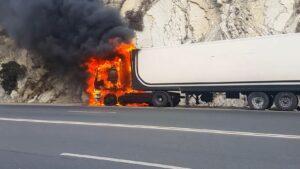


Charlotte garbage truck accident liability depends entirely on who owned the truck that caused your crash. Specifically, the City of Charlotte’s Solid Waste Services department operates differently from private haulers like Republic Services, Waste Pro, and GFL Environmental. Furthermore, government immunity rules can sharply limit recovery against the city while private companies face full civil liability. As a result, identifying the hauler at the scene becomes critical to your entire case strategy.
Here’s how garbage truck liability splits between public and private operators in Charlotte and what each path means for victims.
Why Charlotte Garbage Truck Accident Liability Splits Two Ways
Two completely different operations handle Charlotte’s residential and commercial waste collection. Critically, the legal rules differ between them in ways that affect every aspect of a crash case.
City of Charlotte Solid Waste Services
The City of Charlotte’s Solid Waste Services department handles residential trash, recycling, and yard waste collection inside city limits. Specifically, city employees drive city-owned trucks under city supervision. As a result, crashes involving these trucks raise government tort claim issues that ordinary tort cases don’t present.
Private Waste Haulers
Private companies — Republic Services, Waste Pro, GFL Environmental, Waste Industries, and others — handle commercial waste throughout the metro and residential service in unincorporated Mecklenburg County. Furthermore, these private haulers face the same civil liability that any commercial trucking operation does. Indeed, crashes involving private haulers proceed under standard NC tort law without government immunity complications.

Speak with a Charlotte car accident lawyer and get a free consultation today.
Call (980) 246-2656Government Immunity Issues in City Garbage Truck Crashes
North Carolina law preserves governmental immunity for municipalities like the City of Charlotte. However, that immunity isn’t absolute. Specifically, several exceptions create paths to recovery even when the at-fault vehicle was operated by the city.
The Tort Claims Act Waiver
North Carolina has waived governmental immunity for certain tort claims through the State Tort Claims Act. Furthermore, the City of Charlotte specifically carries liability insurance for its vehicle fleet. As a result, victims of crashes caused by city sanitation trucks can typically pursue claims up to the city’s insurance limits.
Proprietary Function Exception
Government immunity applies only when the municipality is performing a governmental function. Critically, solid waste collection is generally treated as a proprietary function rather than a governmental one. As a result, the immunity defense becomes substantially weaker for garbage truck crashes than for crashes involving police vehicles or fire apparatus.
Notice Requirements
Claims against the City of Charlotte require formal notice within strict deadlines. Specifically, victims must give written notice of the claim within statutory time limits. Furthermore, missing the notice deadline can permanently bar the claim regardless of the underlying merits. Indeed, the notice rules represent one of the most common ways unrepresented victims lose otherwise valid cases.
Private Hauler Liability in Charlotte Cases
Cases against private waste haulers follow standard commercial trucking liability principles. Furthermore, the haulers operate fleets of heavy trucks, employ professional drivers, and carry substantial commercial insurance. As a result, serious injury cases against private haulers often have access to coverage adequate for catastrophic injuries.
Liability theories against private haulers include:
- Driver negligence imputed to the company through respondeat superior
- Negligent hiring when drivers had problematic records
- Negligent training when drivers lacked adequate preparation
- Negligent supervision when known safety problems went uncorrected
- Negligent maintenance when vehicle condition contributed to the crash
- Equipment defect claims against truck manufacturers

The Recurring Garbage Truck Crash Patterns
Garbage trucks operate in ways that produce specific recurring crash types. Notably, the operational pattern — frequent stops, residential streets, backing maneuvers, blind spots — creates predictable risks.
Backing Crashes
Garbage trucks back up constantly during normal operations. Furthermore, backing requires the driver to navigate around vehicles, mailboxes, children, and pedestrians. As a result, backing crashes represent the most common single category of garbage truck incidents.
Pedestrian Strikes
Garbage trucks operate in residential neighborhoods exactly when residents are out — morning walks, school drop-offs, neighborhood activity. Critically, the truck’s massive blind spots combined with the driver’s frequent stops create dangerous interaction points with pedestrians. Indeed, pedestrian strikes by garbage trucks often produce catastrophic or fatal injuries due to the weight differential.
Parked Vehicle Collisions
Residential streets in established Charlotte neighborhoods often have parked cars lining both sides. Specifically, garbage trucks navigating these streets routinely strike parked vehicles. Furthermore, while property damage cases may seem minor, witnesses to these incidents may also have witnessed unrelated injury crashes.
Crashes at Apartment Dumpster Pickups
Commercial dumpster service at apartment complexes generates crashes in parking lots and tight access points. Notably, garbage trucks lifting and emptying commercial dumpsters create overhead hazards that have caused multiple injuries to residents and bystanders.
Crashes During Loading Maneuvers
Side-loading and rear-loading operations create injury risks for drivers and bystanders alike. Furthermore, automated arm operations sometimes malfunction in ways that strike adjacent vehicles or pedestrians.
Evidence Sources in Garbage Truck Cases
Modern garbage trucks generate substantial evidence about driver behavior and route conditions:
- GPS tracking showing the truck’s position throughout the route
- Backing camera footage (where installed)
- Side-view camera systems on newer trucks
- Telematics tracking speed, braking, and idling patterns
- Dispatch communications and route assignments
- Time-stamped collection records
- Driver qualification files and training records
- Vehicle maintenance and inspection history
Critically, this evidence has short retention windows. Furthermore, preservation requests should go out immediately after any serious crash to prevent routine deletion or overwriting. For more on preservation strategy, see our guide to why a spoliation letter is the single most urgent action after a Charlotte trucking accident.
The Insurance Picture in Garbage Truck Cases
Coverage depends sharply on whether a public or private hauler caused the crash. Specifically, City of Charlotte cases involve municipal coverage subject to applicable statutory limits. However, private hauler cases typically access:
- Commercial auto liability coverage (often $1 million primary)
- Excess and umbrella coverage stacked above the primary
- The driver’s personal coverage where applicable
- The victim’s underinsured motorist coverage
What This Means for Your Charlotte Truck Accident Case
If a garbage truck caused your Charlotte crash, the first investigative step is identifying the hauler. Specifically, that answer determines whether government tort claim procedures apply, what coverage exists, and what legal theories work best. However, both city and private hauler cases can produce substantial recoveries when investigated and pursued properly.
Talk to a Charlotte Truck Accident Lawyer Today
Shane Smith Law handles Charlotte garbage truck cases involving both city sanitation operations and private waste haulers. We know how to navigate municipal notice requirements, pursue private hauler liability, and preserve the evidence these cases require.
The consultation is free. We work on contingency — no fee unless we win.
Call (980) 246-2656 today. Or learn more on our Charlotte truck accident lawyer page.