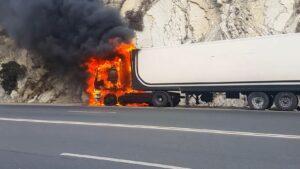


A utility truck bucket truck accident in Charlotte connects victims to corporate defendants with substantial coverage. Specifically, Duke Energy, AT&T, Spectrum, Piedmont Natural Gas, and a range of telecommunications and service contractors all operate large fleets of bucket trucks, line trucks, and service vehicles throughout the metro. Furthermore, when these trucks cause crashes, the corporate operators behind them face direct liability under respondeat superior. As a result, utility truck cases routinely access insurance coverage that ordinary auto crashes don’t provide.
Here’s how utility truck crashes happen, who pays, and what makes Charlotte service vehicle cases legally distinct.
Why the Utility Truck Bucket Truck Accident Risk Stays Elevated
Utility truck operations create distinctive risk patterns. Critically, the operational requirements force these trucks into situations that ordinary commercial vehicles don’t encounter.
Several factors elevate utility truck crash risk:
- Frequent stops in active traffic to access utility poles and infrastructure
- Bucket lift operations requiring outriggers extended into roadway
- Cone-and-light work zones on residential and commercial streets
- 24/7 emergency response patterns producing driver fatigue
- Heavy equipment loads affecting handling and braking
- Specialized vehicle dimensions creating different blind-spot profiles
- Operations during severe weather when emergency repairs become urgent
Furthermore, Charlotte’s growth has multiplied service infrastructure demands. Indeed, the metro’s electric, gas, water, and telecommunications networks all require continuous maintenance and expansion activity.

Speak with a Charlotte car accident lawyer and get a free consultation today.
Call (980) 246-2656The Major Utility Truck Operators in Charlotte
Several distinct operator categories produce utility truck activity throughout the metro:
Duke Energy
Duke Energy operates the largest utility truck fleet in Charlotte. Specifically, the company’s line trucks, bucket trucks, and service vehicles respond to outages, perform routine maintenance, and support new construction. Furthermore, Duke Energy maintains direct employment of most drivers — which simplifies the respondeat superior analysis in crash cases.
Piedmont Natural Gas
Piedmont Natural Gas operates service vehicles for gas line maintenance, leak response, and new connection work. Notably, gas emergency response creates urgent driving patterns when leak reports require rapid arrival.
Charlotte Water
The Charlotte Water utility operates service vehicles for water main repairs, hydrant maintenance, and customer service calls. As a result, Charlotte Water trucks generate continuous activity throughout residential and commercial corridors.
Telecommunications Companies
AT&T, Spectrum (Charter Communications), Verizon, and other telecommunications carriers all operate bucket truck and service vehicle fleets. Specifically, these vehicles install and maintain wired infrastructure including fiber optic, cable television, and traditional telephone lines.
Service Contractors
Many utility operations involve contractors rather than direct employees. Furthermore, the contractors include both major regional companies (Pike Electric, Quanta Services, MasTec) and smaller local specialists. As a result, identifying the actual employer of a specific driver requires investigation beyond what the truck’s branding reveals.
The Bucket Truck-Specific Risk Profile
Bucket trucks present specific risks beyond ordinary commercial vehicles. Critically, the operational requirements create hazards that ordinary trucks don’t share.
Outrigger Deployment Crashes
Bucket trucks deploy outriggers to stabilize the vehicle during boom operations. Specifically, the outriggers extend several feet from each side of the truck. As a result, traffic in the lane adjacent to a working bucket truck faces strike risk if outriggers aren’t properly visible or protected.
Boom and Equipment Strikes
Bucket truck booms extending into airspace can strike overhead obstacles or descend unexpectedly. Furthermore, equipment falling from elevated bucket positions creates strike-by hazards for ground-level workers and bystanders. Indeed, boom operation incidents produce a recurring share of utility worker injuries.
Cone Zone Crashes
Bucket trucks operating on residential and commercial streets create work zones marked by cones and warning lights. Notably, when motorists approach these zones at normal speeds or fail to merge appropriately, the resulting crashes involve both the working truck and adjacent traffic.
Emergency Response Crashes
Utility emergency response — particularly for downed power lines, gas leaks, or major outages — creates urgent driving patterns. Furthermore, drivers responding to genuine emergencies may exceed normal safety practices to reach incident scenes quickly. As a result, response-related crashes generate distinctive case patterns.

The Common Charlotte Crash Patterns
Utility and bucket truck crashes recur in predictable Charlotte scenarios:
Residential Street Work Zone Crashes
When utility crews work on residential streets, they create work zones that motorists sometimes navigate carelessly. Specifically, residents familiar with their own neighborhoods may approach utility work zones at normal speeds without recognizing the hazards. As a result, residential streets generate utility truck crashes throughout the year.
Storm Response Crashes
Major weather events trigger massive utility response activity. Furthermore, storm response operates 24 hours per day with crews working extended shifts under demanding conditions. Indeed, post-storm restoration periods produce concentrated utility vehicle crash activity throughout the affected areas.
Interstate Pole and Line Work
Utility infrastructure along Charlotte interstates requires periodic maintenance. Specifically, line crews working adjacent to active freeway traffic face severe strike-by risk. Notably, NCDOT lane closures supporting utility work create traffic patterns that sometimes produce secondary crashes.
Substation and Transmission Yard Activity
Utility company yards and substations generate truck traffic entering and exiting onto public roads. Furthermore, the heavy vehicle activity at these access points combines with adjacent street traffic in ways that produce predictable crash patterns.
The Liability Picture in Utility Truck Cases
Utility truck crashes typically involve substantial corporate defendants and significant insurance coverage. Specifically, the major utility companies all carry commercial liability policies with multi-million-dollar primary coverage. Furthermore, umbrella and excess policies often stack above the primary coverage.
Liability theories include:
- Driver negligence imputed to the utility company through respondeat superior
- Negligent hiring when drivers had problematic records
- Negligent training on specific equipment operation
- Negligent work zone setup and traffic control
- Failure to deploy required safety equipment
- Equipment maintenance failures contributing to crashes
Evidence Sources in Utility Truck Cases
Utility truck operations generate substantial evidence:
- Dispatch records and work order documentation
- Vehicle GPS and telematics data
- Driver hours and shift records
- Equipment inspection logs
- Work zone setup documentation
- Photos and video from the worksite
- NCDOT and adjacent property surveillance footage
- The driver’s training records and qualification file
Furthermore, utility company records receive specific attention from corporate legal teams. As a result, preservation requests must reach the right corporate contacts promptly. For more on evidence preservation, see our guide to why a spoliation letter is the single most urgent action after a Charlotte trucking accident.
What This Means for Your Charlotte Truck Accident Case
If a utility or bucket truck caused your Charlotte crash, the case typically connects you to a substantial corporate defendant with adequate coverage. However, building the case requires investigating the driver’s employment status, the work being performed, and the operational practices that contributed to the crash. Indeed, the difference between a quick settlement at low value and a full recovery often turns on this investigation.
Talk to a Charlotte Truck Accident Lawyer Today
Shane Smith Law handles utility and bucket truck cases involving every major operator in the Charlotte metro. We know how to investigate corporate operations, identify the responsible parties, and pursue the substantial coverage these cases typically involve.
The consultation is free. We work on contingency — no fee unless we win.
Call (980) 246-2656 today. Or learn more on our Charlotte truck accident lawyer page.